
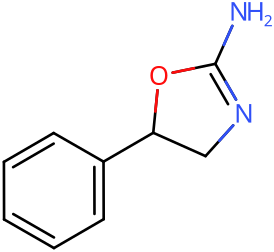
Aminorex Stats & Data
SYAKTDIEAPMBAL-UHFFFAOYSA-NPharmacology
DrugBankDescription
Aminorex is an amphetamine-like anorectic agent. It may cause pulmonary hypertension.
Receptor Profile
Receptor Actions
Effect Profile
CuratedStrong stimulation with strong anxiety/jitters, moderate focus, mild euphoria
Tolerance & Pharmacokinetics
drugs.wikiTolerance Decay
Pattern resembles other stimulants: rapid tolerance build with binges, partial decay over 1–2 weeks, and baseline by ~1 month. Data for aminorex specifically are limited; values are extrapolated from stimulant use patterns and community reports.
Cross-Tolerances
Harm Reduction
drugs.wikiAminorex is an amphetamine-like anorectic withdrawn after an epidemic of drug-induced pulmonary arterial hypertension (PAH); this adverse effect can be severe and long-lasting. PAH risk appears linked to aminorex-class agents and is the major reason to avoid frequent or high-dose use; symptoms such as exertional breathlessness, chest pain, syncope, or blue-tinged lips warrant urgent medical evaluation. Duration is long relative to perceived euphoria, increasing the temptation to redose; plan a single measured dose and avoid stacking. Historical German brand Menocil tablets reportedly contained 14 mg aminorex fumarate; if using laboratory material, be aware that fumarate vs freebase salts differ in potency by mass. Combining with other stimulants or serotonergics increases risks of hypertension, hyperthermia, agitation and, in susceptible cases, serotonin toxicity. Avoid use if you have cardiovascular or pulmonary disease, prior PAH, or unexplained exertional symptoms; consider baseline and follow-up blood pressure checks during any session. Insufflation accelerates onset and raises BP spikes and nasal injury risk; oral use is typically safer on the nose and less compulsive. Hydration, electrolyte intake, and temperature control reduce hyperthermia risk; avoid prolonged dancing/overheating and take cool-down breaks. Bruxism (jaw clenching/teeth grinding) is common with stimulants; a mouthguard or chewing gum reduces dental damage, and magnesium glycinate (200–400 mg/day) may help some users. Because human pharmacokinetic data for aminorex are sparse, treat all dosage ranges as estimates and titrate cautiously with a calibrated milligram scale or volumetric dosing. Do not use on consecutive days; leave multi-week gaps (e.g., several weeks or longer) to reduce tolerance and, more importantly, to limit cumulative cardiopulmonary risk. Keep total session dose modest and avoid binges that extend wakefulness beyond one night to reduce psychosis and cardiovascular complication risk.
References
Data Sources
Cited References
Additional references
- DrugBank: Aminorex (DB01490) — profile notes 'may cause pulmonary hypertension' and IUPAC name
- DrugBank: Aminorex — additional search entries (IUPAC, pulmonary hypertension risk)
- Bluelight: Aminorex Reports and Info (historical Menocil 14 mg fumarate; anecdotal dosing/effects)
- TripSit Wiki: Drug combinations (general interaction cautions for stimulants/serotonergics/MAOIs)
- EUDA/EMCDDA–Europol Joint Report: 4,4'-DMAR (aminorex analogue; fatalities context for class risk)
- NCBI MedGen concept: Drug/toxin-induced pulmonary arterial hypertension (class linkage, monitoring rationale)
- Effect Index — Teeth grinding (bruxism) overview
- Effect Index — Compulsive redosing