
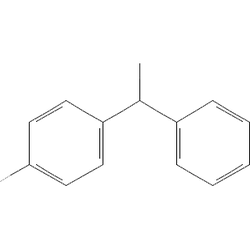
Cetirizine Stats & Data
ZKLPARSLTMPFCP-UHFFFAOYSA-NPharmacology
DrugBankDescription
Cetirizine, also commonly known as _Zyrtec_, is an orally active second-generation histamine H1 antagonist proven effective in the treatment of various allergic symptoms, such as sneezing, coughing, nasal congestion, hives, and other symptoms , . One of the most common uses for this drug is for a condition called _allergic rhinitis_. The prevalence of allergic rhinitis in the United States is about 15% according to physician diagnoses, and up to 30%, according to self-reported nasal symptoms. Allergic rhinitis is associated with multiple missed or unproductive days at work and school, problems with sleep, and other difficulties with day to day activities for many individuals . Furthermore, some antihistamine agents that are used to treat this condition cause undesirable, sedating effects . Cetirizine is one of the first second-generation H1 antihistamines (SGAHs) formulated to selectively inhibit the H1 receptor without sedating effects .
Mechanism of Action
Cetirizine, a metabolite of _hydroxyzine_, is an antihistamine drug. Its main effects are achieved through selective inhibition of peripheral H1 receptors. The antihistamine activity of cetirizine has been shown in a variety of animal and human models. _In vivo_ and _ex vivo_ animal models have shown insignificant anticholinergic and antiserotonergic effects. In clinical studies, however, dry mouth was found to be more frequent with cetirizine than with a placebo. In vitro receptor binding studies have demonstrated no detectable affinity of cetirizine for histamine receptors other than the H1 receptors. Studies with radiolabeled cetirizine administration in the rat have demonstrated insignificant penetration into the brain. _Ex vivo_ studies in the mouse have shown that systemically administered cetirizine does not occupy cerebral H1 receptors significantly .
Pharmacodynamics
**General effects and respiratory effects** Cetirizine, the active metabolite of the piperazine H1-receptor antagonist hydroxyzine, minimizes or eliminates the symptoms of chronic idiopathic urticaria, perennial allergic rhinitis, seasonal allergic rhinitis, allergic asthma, physical urticaria, and atopic dermatitis. The clinical efficacy of cetirizine for allergic respiratory diseases has been well established in numerous trials . **Effects on urticaria/anti-inflammatory effects** It has anti-inflammatory properties that may play a role in asthma management . There is evidence that cetirizine improves symptoms of urticaria. Marked clinical inhibition of a wheal and flare response occurs in infants, children as well as adults within 20 minutes of one oral dose and lasts for 24 h . Concomitant use of cetirizine reduces the duration and dose of topical anti-inflammatory formulas used for the treatment of atopic dermatitis .
Metabolism
A mass balance clinical trial comprised of 6 healthy male study volunteers showed that 70% of the administered radioactivity was measured in the urine and 10% in the feces after cetirizine administration. About 50% of the radioactivity was measured in the urine as unchanged cetirizine. Most of the rapid increase in peak plasma radioactivity was related to the parent drug, implying a low level of first pass metabolism. This prevents potential interactions of cetirizine with drugs interacting with hepatic cytochrome enzymes . Cetirizine is metabolized partially by oxidative O-dealkylation to a metabolite with insignificant antihistaminic activity. The enzyme or enzymes responsible for this step in cetirizine metabolism have not yet been identified .
Absorption
Cetirizine was rapidly absorbed with a time to maximum concentration (Tmax) of about 1 hour after oral administration of tablets or syrup formulation in adult volunteers . Bioavailability was found to be similar between the tablet and syrup dosage forms. When healthy study volunteers were given several doses of cetirizine (10 mg tablets once daily for 10 days), a mean peak plasma concentration (Cmax) of 311 ng/mL was measured . **Effect of food on absorption** Food had no effect on cetirizine exposure (AUC), however, Tmax was delayed by 1.7 hours and Cmax was decreased by 23% in the fed state .
Indication
**Seasonal Allergic Rhinitis**: Indicated for the relief of symptoms associated with seasonal allergic rhinitis caused by allergens such as ragweed, grass and tree pollens in adults and children 2 years of age and above. Symptoms treated effectively include sneezing, rhinorrhea, nasal pruritus, ocular pruritus, tearing, and redness of the eyes . **Perennial allergic rhinitis**: This drug is indicated for the relief of symptoms associated with perennial allergic rhinitis due to allergens including dust mites, animal dander, and molds in adults and children 6 months of age and older. Symptoms treated effectively include sneezing, rhinorrhea, postnasal discharge, nasal pruritus, ocular pruritus, and tearing . **Chronic urticaria**: Cetirizine is indicated for the treatment of the uncomplicated skin manifestations of chronic idiopathic urticaria in adults and children 6 months of age and older. It markedly reduces the occurrence, severity, and duration of hives and significantly reduces pruritus .
Half-life
Plasma elimination half-life is 8.3 hours .
Protein Binding
The mean plasma protein binding of cetirizine is 93% .
Elimination
Mainly eliminated in the urine , . Between 70 – 85% of an orally administered dose can be found in the urine and 10 – 13% in the feces .
Volume of Distribution
Apparent volume of distribution: 0.44 +/- 0.19 L/kg .
Clearance
Apparent total body clearance: approximately 53 mL/min . Cetirizine is mainly eliminated by the kidneys , . Dose adjustment is required for patients with moderate to severe renal impairment and in patients on hemodialysis .
Measured Affinities
Guide to PHARMACOLOGYMeasured binding and functional data for cetirizine, curated by the IUPHAR/BPS Guide to PHARMACOLOGY. Each row cites the paper it came from. Lower concentrations mean tighter binding — a value in the sub-nanomolar range indicates a very potent interaction.
| Target | Action | Measure | Value | Concentration | Species | Source |
|---|---|---|---|---|---|---|
| H1 receptor HRH1 | Inverse agonist | pKi | 8.2 | 6.31 nM | Human | PMID 7925364 |
Reading this. pKi, pEC50 and pIC50 are negative log molar values, so a higher number means a tighter interaction; the concentration column converts them for you. Values from non-human species are laboratory measurements and do not translate directly to human effect. Receptor affinity is not a dose — it describes what a molecule binds, not how much of it is safe to take.
Receptor data from the IUPHAR/BPS Guide to PHARMACOLOGY (v2026.2), licensed CC BY-SA 4.0. Matched to this substance by InChIKey.
Animal studies Studies using rat models have shown the minimal lethal dose of cetirizine to be approximately 460 times the maximum recommended daily dose for adults. The primary target of acute toxicity in rodents was the central nervous system. Signs and Symptoms of Overdose
Carcinogenicity
No indication of carcinogenicity to humans (not listed by IARC).
Toxicity (DrugBank)
Oral LD50 (rat): 365 mg/kg; Intraperitoneal LDLO (mouse): 138 mg/kg; Oral TDLO (rat): 50 mg/kg; Oral TDLO (mouse): 0.1 mg/kg . **Carcinogenesis and mutagenesis**: In a 2-year carcinogenicity study in rats, cetirizine was not shown to be carcinogenic at dietary doses up to 20 mg/kg (approximately 15 times the maximum recommended daily oral dose in adults). In a 2-year carcinogenicity study in mice, cetirizine administration lead to an incidence of benign liver tumors in males at a dietary dose of 16 mg/kg (approximately 6 times the maximum recommended daily oral dose in adults). The clinical significance of these findings during long-term use of cetirizine is unknown at this time . Cetirizine was not mutagenic in the Ames test, and not clastogenic in the human lymphocyte assay, the mouse lymphoma assay, and in vivo micronucleus test in rats . **Impairment of fertility** In a fertility and reproduction study in mice, cetirizine did not negatively impact fertility at an oral dose of 64 mg/kg (approximately 25 times the maximum recommended daily oral dose in adults) . **Pregnancy Category B**: In mice, rats, and rabbits, cetirizine was not teratogenic at oral doses up to 96, 225, and 135 mg/kg, respectively (approximately 40, 180 and 220 times the maximum recommended daily oral dose in adults). There are no adequate and well-controlled studies in pregnant women.
Health effects (PubChem excerpts)
Overdosage has been reported with ZYRTEC (cetirizine) . In one adult patient who took 150 mg of ZYRTEC (cetirizine) , the patient was somnolent but did not display any other clinical signs or abnormal blood chemistry or hematology results. In an 18 month old pediatric patient who took an overdose of ZYRTEC (cetirizine) (approximately 180 mg), restlessness and irritability were observed initially; this was followed by drowsiness. (L1712)
Experience Report Analysis
ErowidDemographics
Gender Distribution
Too few reports for a chart: gender is known from 1 report, and a split is drawn only from 20 reports or more. Counts are shown instead. Why 20?
- Male 1 of 1