
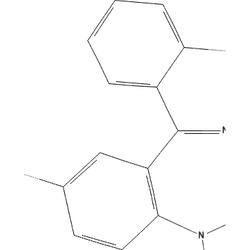
Clobromazolam Stats & Data
Brc1ccc2c(c1)C(=NCc1nnc(C)n12)c1ccccc1ClBUTCFAZTKZDYCN-UHFFFAOYSA-NEffect Profile
CuratedStrong anxiolysis and sedation with strong cognitive impairment, moderate euphoria
Tolerance & Pharmacokinetics
drugs.wikiNo tolerance chart. Our decay curves for these drugs were estimates, and a curve can make tolerance look longer-lasting than it is, which is the dangerous direction.
How fast tolerance to these drugs fades after a break has not been measured well enough to draw, so don't count on a dose you used to take still being safe: after time off, start with a much smaller amount and don't use alone. Mixing sedatives with each other, with alcohol or with opioids sharply raises the risk of a fatal overdose. If you've been using regularly, don't stop suddenly: withdrawal from benzodiazepines, alcohol or GHB/GBL can cause seizures or delirium, so get medical help to cut down gradually.
Sources: FRANK: benzodiazepines · Alcohol and Drug Foundation: GHB · FDA 2020: benzodiazepine boxed warning · FDA 2019: gabapentinoids and breathing · NHS: alcohol use disorder
Cross-Tolerances
Harm Reduction
drugs.wikiPhenazolam is the same compound as clobromazolam; it first appeared on the market circa 2016 and has no approved medical use. Forum meta-reports consistently place its potency in the sub‑milligram range, with ~0.25 mg often compared to a typical anxiolytic dose range of diazepam; avoid any pressed tablets claiming multi‑milligram doses. Onset is notably slow for a triazolobenzodiazepine (often 1–2 h, sometimes 3 h), which greatly increases redosing risk and blackout potential. Volumetric dosing is essential: dissolve a known amount in a measured volume (e.g., 1 mg in 10–20 mL ethanol/propylene glycol), mix thoroughly, and measure doses with an oral syringe; do not eyeball powders or shave tablets. Wait a full 3–4 hours before considering any redose due to delayed peak and amnesia. Multiple reports describe next‑day impairment lasting well beyond the perceived high; avoid driving or hazardous tasks for at least 24 h after dosing. Novel benzodiazepines are widely found in counterfeit ‘Xanax/Valium’-type tablets and in non‑benzo samples; mislabeling and extreme dose variability have been repeatedly documented by drug‑checking and early warning systems — treat unknown tablets/solutions as suspect and test where possible. Combining with opioids, alcohol, GHB/GBL, dissociatives, or gabapentinoids is the main cause of life‑threatening events; treat these as hard contraindications. Naloxone reverses opioids but not benzodiazepines; always prioritize airway and breathing in mixed‑drug poisonings until help arrives. Flumazenil can precipitate acute withdrawal and seizures in dependent users and should only be given in a clinical setting by trained staff. Because supply may include bromazolam or other benzos mis‑sold as clobromazolam, assume mislabeling until proven otherwise and start at the absolute minimum dose.
References
Cited references
- Isomer Design — Clobromazolam/Phenazolam entry (synonyms, structure)
- Bluelight — Clobromazolam / Phenazolam Megathread (dosing, onset/duration, blackout risk)
- Reddit — PSA: Beware of Clobromazolam (pressed 2 mg bars; blackout reports)
- TripSit — Drug combinations (benzos + tramadol marked dangerous)
- TripSit — Volumetric Converter (resource for accurate micro‑dosing solutions)
- EUDA/EMCDDA — New benzodiazepines in Europe: public health risks and fake medicines
- Saferparty Zürich — Warning: Bromazolam sold as Etizolam (mislabeling in benzo tablets)
- Toronto Drug Checking — Benzodiazepines frequently found in fentanyl supply and other samples (context for unexpected benzos)
- DrugBank — Triazolam (class exemplar; CYP3A4 substrate)
- DrugWise — Benzodiazepines overview (dependence & illicit variants)
- DrugWise — Xylazine (risks; appearance in illicit opioid markets)
- TripSit — Diazepam factsheet (memory loss, motor impairment; blackout risk at higher doses)