
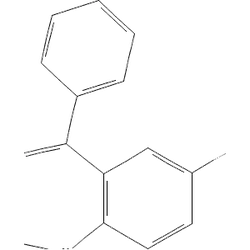
Gidazepam Stats & Data
NNC(=O)CN1C(=O)CN=C(c2ccccc2)c2cc(Br)ccc12XLGCMZLSEXRBSG-UHFFFAOYSA-NEffect Profile
CuratedStrong anxiolysis with strong cognitive impairment, moderate euphoria, mild sedation
Tolerance & Pharmacokinetics
drugs.wikiNo tolerance chart. Our decay curves for these drugs were estimates, and a curve can make tolerance look longer-lasting than it is, which is the dangerous direction.
How fast tolerance to these drugs fades after a break has not been measured well enough to draw, so don't count on a dose you used to take still being safe: after time off, start with a much smaller amount and don't use alone. Mixing sedatives with each other, with alcohol or with opioids sharply raises the risk of a fatal overdose. If you've been using regularly, don't stop suddenly: withdrawal from benzodiazepines, alcohol or GHB/GBL can cause seizures or delirium, so get medical help to cut down gradually.
Sources: FRANK: benzodiazepines · Alcohol and Drug Foundation: GHB · FDA 2020: benzodiazepine boxed warning · FDA 2019: gabapentinoids and breathing · NHS: alcohol use disorder
Cross-Tolerances
Harm Reduction
drugs.wikiGidazepam is widely reported to act as a prodrug for the active metabolite desalkylgidazepam (bromonordiazepam), which contributes most of the anxiolytic effect; this conversion delays onset and encourages risky redosing if users expect a rapid benzodiazepine onset. Because desalkylgidazepam and related long-acting metabolites can have very long half-lives, effects may accumulate over days, raising next-day psychomotor impairment and sedation risks—especially with repeated dosing. RC-market products labeled 'gidazepam' or very low-dose '3 mg gidazepam' pellets are often actually desalkylgidazepam/bromonordiazepam; mislabeling is common, so laboratory drug checking is strongly advised before use. Avoid combining with other CNS depressants (alcohol, opioids, GHB, Z-drugs) due to synergistic respiratory depression and markedly increased overdose risk; co-use is implicated in many benzo-related harms. Tolerance to sedative/anxiolytic effects develops with frequent use and can drive escalating doses; abrupt cessation after sustained use can precipitate benzodiazepine withdrawal, including seizures—medical supervision is recommended for any taper. Older adults are more susceptible to falls, cognitive impairment, and next-day drowsiness; long-acting agents like desalkylgidazepam particularly increase these risks. If using a preparation of uncertain identity, start with the lowest possible dose, wait at least 3–4 hours before considering any redose, and avoid stacking doses across days to limit accumulation. Because many immunoassay urine screens detect benzodiazepine class metabolites (e.g., nordazepam-like structures), desalkylgidazepam exposure may yield a positive benzo result on drug tests. Therapeutic tablets reported in ex-US markets are commonly 20 mg and 50 mg for the parent drug; by contrast, RC-market desalkylgidazepam/bromonordiazepam often appears in 2.5–3 mg pellets—these forms have different potency and time course and should not be assumed equivalent. Some users exploit bromonordiazepam’s long half-life for tapers from short-acting benzos; while pharmacologically plausible, self-directed tapers carry risk and should ideally be clinician-guided.
References
Cited references
- Bluelight discussion: Gidazepam (prodrug to desalkylgidazepam) and 3 mg vs 50 mg context
- Bluelight discussion: Bromonordiazepam/Desalkylgidazepam = same compound; gidazepam is prodrug
- Reddit anecdotal reports on desalkylgidazepam dosing and tablet strengths (20 mg / 50 mg parent drug vs 2.5–3 mg metabolite pellets)
- Reddit: experiences and potency comparisons for bromonordiazepam (long half-life, weak-to-functional profiles)
- Toronto Drug Checking Service report noting desalkylgidazepam in supply (adulteration/mislabelling context)
- StatPearls: Benzodiazepines – class risks, interactions (CNS depression with opioids, falls in elderly)
- Ashton Manual (Chapter 1 table): Nordazepam-class very long half-lives (36–200 h) used here as conservative proxy for metabolite duration
- Bluelight ‘Basics of Benzodiazepines’ compendium: long-acting metabolite half-lives and class cautions