
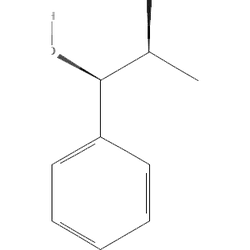
Norephedrine Stats & Data
CC(C(C1=CC=CC=C1)O)NDLNKOYKMWOXYQA-CBAPKCEASA-NPharmacology
DrugBankDescription
Phenylpropanolamine is a sympathomimetic agent that acts as a nonselective adrenergic receptor agonist and norepinephrine reuptake inhibitor. It has been used as a decongestant and appetite suppressant. Currently, it is withdrawn from the market in Canada and the United States due to the risk for hemorrahgic strokes.
Mechanism of Action
Phenylpropanolamine acts directly on alpha- and, to a lesser degree, beta-adrenergic receptors in the mucosa of the respiratory tract. Stimulation of alpha-adrenergic receptors produces vasoconstriction, reduces tissue hyperemia, edema, and nasal congestion, and increases nasal airway patency. PPA indirectly stimulates beta-receptors, producing tachycardia and a positive inotropic effect.
Pharmacodynamics
Phenylpropanolamine (PPA), a sympathomimetic agent structurally similar to pseudoephedrine, is used to treat nasal congestion. Phenylpropanolamine is found in appetite suppressant formulations and with guaifenesinin in cough-cold formulations. In 2000, the FDA requested that all drug companies discontinue marketing products containing phenylpropanolamine, due to an increased risk of hemorrhagic stroke in women who used phenylpropanolamine.
Absorption
Reduced bioavailability (about 38%) from gastrointestinal tract because of first pass metabolism by monoamine oxidase in the stomach and liver.
Indication
For the treatment of nasal congestion, control of urinary incontinence, priapism and obesity.
Toxicity
DrugBankToxicity (DrugBank)
May induce ventricular extrasystoles and short paroxysms of ventricular tachycardia, a sensation of fullness in the head and tingling of the extremities; LD50=1490mg/kg (orally in rat)
Effect Profile
CuratedStrong euphoria with strong anxiety/jitters, moderate focus and stimulation