Pharmacology
DrugBankDescription
Overactive bladder (OAB) is a common condition negatively impacting the lives of millions of patients worldwide. Due to its urinary symptoms that include nocturia, urgency, and frequency, this condition causes social embarrassment and a poor quality of life. Oxybutynin, also marketed as Ditropan XL, is an anticholinergic medication used for the relief of overactive bladder symptoms that has been optimized for high levels of safety and efficacy since initial FDA approval in 1975. This drug relieves undesirable urinary symptoms, increasing the quality of life for patients affected by OAB. It is often used as first-line therapy for OAB.
Mechanism of Action
Oxybutynin acts to relax the bladder by inhibiting the muscarinic action of acetylcholine on smooth muscle, and not skeletal muscle. The active of oxybutynin is metabolite is N-desethyloxybutynin. It competitively inhibits the postganglionic type 1, 2 and 3 muscarinic receptors. The above actions lead to increased urine capacity in the bladder, decreasing urinary urgency and frequency. In addition, oxybutynin delays the initial desire to void.
Pharmacodynamics
Oxybutynin exerts antispasmodic actions on the bladder, relieving the uncomfortable symptoms of overactive bladder, including urinary urgency and frequency. These actions occur through the inhibition of muscarinic receptors. **A note on angioedema and anticholinergic effects** Symptoms of angioedema may occur with oxybutynin therapy. If angioedema is suspected, discontinue oxybutynin immediately and provide appropriate medical treatment. In addition, anticholinergic effects may occur with the administration of this drug. Some symptoms may include hallucinations, confusion, agitation, and drowsiness. It is advisable to avoid operating heavy machinery before the response to oxybutynin has been monitored. Dose adjustments may be required.
Metabolism
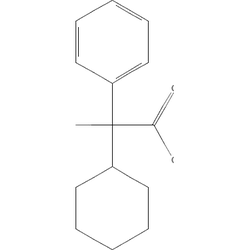
Oxybutynin is heavily metabolized by the CYP3A4 enzyme system in both the liver and the wall of the intestine. It undergoes first-pass metabolism, and its resulting primary active metabolite, N-desethyloxybutynin circulates. It is active at the muscarinic receptors in both the bladder and the salivary gland. Hepatic biotransformation also produces its major inactive metabolite, phenylcyclohexylglycolic acid.
Absorption
Oxybutynin should be swallowed whole with the help of liquids. A pharmacokinetic study revealed that oxybutynin was rapidly absorbed, and peak concentrations were reached within about 1 hour of administration, measured at 8.2 ngml-1 and AUC was 16 ngml-1. The biovailability of oxybutynin is about 6%, and the plasma concentration of the active metabolite, desethyloxybutynin is 5 to 12 times greater than that of oxybutynin. Bioavailability is increased in the elderly. Food has been shown to increase the exposure to controlled-release oxybutynin.
Toxicity
The acute oral LD50 in rats is 460 mg/kg. **Overdose information** An overdose with oxybutynin may manifest clinically as CNS overactivity, fever, palpitations, cardiac arrhythmias, urinary retention, respiratory failure, paralysis, in addition to coma. Provide supportive care immediately. Activated charcoal in addition to a cathartic agent should be administered. There have been 2 reports of an overdose with a 100 mg dose of oxybutynin. One case was a 13-year-old boy and another was a 34-year-old woman. Alcohol was also ingested simultaneously in both cases. The patients received supportive treatment and fully recovered.
Indication
Oxybutynin is indicated for the symptomatic treatment of overactive bladder, which causes urge urinary incontinence and frequency, and urgency. Oxybutynin may also be used for children aged 6 and above for the symptomatic management of detrusor muscle overactivity which has been found to be related to a neurological condition. Spina bifida is an example of a neurological condition in which oxybutynin may be used to control urinary symptoms. On occasion, oxybutynin may be used off-label to relieve bladder spasms associated with ureteral stents or urinary catheters.
Half-life
The plasma elimination half-life is about 2 hours. In the elderly, the elimination half-life is prolonged up to 5 hours.
Protein Binding
Oxybutynin enantiomers are more than 97% bound to plasma proteins, primarily to alpha-1 acid glycoprotein.
Elimination
Oxybutynin is heavily cleared by the liver. Under 0.1% of an administered dose is found as unchanged drug in the urine. Less than 0.1% of a single dose of oxybutynin is excreted as desethyloxybutynin.
Volume of Distribution
Oxybutynin has a wide volume of distribution of 193 L. In rats, oxybutynin penetrates the central nervous system.
Effect Profile
CuratedStrong euphoria with moderate itching/nausea, mild sedation