
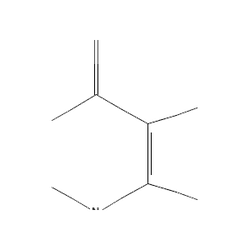
Theophylline Stats & Data
CN1C2=C(C(=O)N(C1=O)C)NC=N2ZFXYFBGIUFBOJW-UHFFFAOYSA-NPharmacology
DrugBankDescription
A methylxanthine derivative from tea with diuretic, smooth muscle relaxant, bronchial dilation, cardiac and central nervous system stimulant activities. Mechanistically, theophylline acts as a phosphodiesterase inhibitor, adenosine receptor blocker, and histone deacetylase activator. Theophylline is marketed under several brand names such as Uniphyl and Theochron, and it is indicated mainly for asthma, bronchospasm, and COPD.
Mechanism of Action
Theophylline relaxes the smooth muscle of the bronchial airways and pulmonary blood vessels and reduces airway responsiveness to histamine, methacholine, adenosine, and allergen. Theophylline competitively inhibits type III and type IV phosphodiesterase (PDE), the enzyme responsible for breaking down cyclic AMP in smooth muscle cells, possibly resulting in bronchodilation. Theophylline also binds to the adenosine A2B receptor and blocks adenosine mediated bronchoconstriction. In inflammatory states, theophylline activates histone deacetylase to prevent transcription of inflammatory genes that require the acetylation of histones for transcription to begin.
Pharmacodynamics
Theophylline, an xanthine derivative chemically similar to caffeine and theobromine, is used to treat asthma and bronchospasm. Theophylline has two distinct actions in the airways of patients with reversible (asthmatic) obstruction; smooth muscle relaxation (i.e., bronchodilation) and suppression of the response of the airways to stimuli (i.e., non-bronchodilator prophylactic effects).
Metabolism
Hepatic. Biotransformation takes place through demethylation to 1-methylxanthine and 3-methylxanthine and hydroxylation to 1,3-dimethyluric acid. 1-methylxanthine is further hydroxylated, by xanthine oxidase, to 1-methyluric acid. About 6% of a theophylline dose is N-methylated to caffeine. Caffeine and 3-methylxanthine are the only theophylline metabolites with pharmacologic activity.
Absorption
Theophylline is rapidly and completely absorbed after oral administration in solution or immediate-release solid oral dosage form.
Indication
For the treatment of the symptoms and reversible airflow obstruction associated with chronic asthma and other chronic lung diseases, such as emphysema and chronic bronchitis.
Elimination
Theophylline does not undergo any appreciable pre-systemic elimination, distributes freely into fat-free tissues and is extensively metabolized in the liver. Renal excretion of unchanged theophylline in neonates amounts to about 50% of the dose, compared to about 10% in children older than three months and in adults.
Clearance
* 0.29 mL/kg/min Premature neonates, postnatal age 3-15 days * 0.64 mL/kg/min Premature neonates, postnatal age 25-57 days * 1.7 mL/kg/min Children 1-4 years * 1.6 mL/kg/min Children 4-12 years * 0.9 mL/kg/min Children 13-15 years * 1.4 mL/kg/min Children 16-17 years * 0.65 mL/kg/min Adults (16-60 years), otherwise healthy non-smoking asthmatics * 0.41 mL/kg/min Elderly (>60 years), non-smokers with normal cardiac, liver, and renal function * 0.33 mL/kg/min Acute pulmonary edema * 0.54 mL/kg/min COPD >60 years, stable, non-smoker >1 year * 0.48 mL/kg/min COPD with cor pulmonale * 1.25 mL/kg/min Cystic fibrosis (14-28 years) * 0.31 mL/kg/min Liver disease cirrhosis * 0.35 mL/kg/min acute hepatitis * 0.65 mL/kg/min cholestasis * 0.47 mL/kg/min Sepsis with multi-organ failure * 0.38 mL/kg/min hypothyroid * 0.8 mL/kg/min hyperthyroid
Measured Affinities
Guide to PHARMACOLOGYMeasured binding and functional data for theophylline, curated by the IUPHAR/BPS Guide to PHARMACOLOGY. Each row cites the paper it came from. Lower concentrations mean tighter binding — a value in the sub-nanomolar range indicates a very potent interaction.
| Target | Action | Measure | Value | Concentration | Species | Source |
|---|---|---|---|---|---|---|
| A2B receptor Adora2b | Antagonist | pKi | 5.25 | 5,623 nM | Mouse | PMID 19141710 |
| A1 receptor Adora1 | Antagonist | pKi | — | — | Rat | PMID 8230124 |
| A1 receptor ADORA1 | Antagonist | pKi | — | — | Human | — |
| A2A receptor ADORA2A | Antagonist | pKi | — | — | Human | — |
| A2A receptor Adora2a | Antagonist | pKi | — | — | Rat | PMID 8230124 |
| A2B receptor ADORA2B | Antagonist | pKi | — | — | Human | — |
| A3 receptor Adora3 | Antagonist | pKi | — | — | Rat | — |
| A3 receptor ADORA3 | Antagonist | pKi | — | — | Human | PMID 9459566 |
Reading this. pKi, pEC50 and pIC50 are negative log molar values, so a higher number means a tighter interaction; the concentration column converts them for you. Values from non-human species are laboratory measurements and do not translate directly to human effect. Receptor affinity is not a dose — it describes what a molecule binds, not how much of it is safe to take.
Receptor data from the IUPHAR/BPS Guide to PHARMACOLOGY (v2026.2), licensed CC BY-SA 4.0. Matched to this substance by InChIKey.
Safe in the present practices of use and concentration. Ingredient, concentration, and use information are available in documents discoverable at https://cir-reports.cir-safety.org Theophylline has a low therapeutic index. Theophylline toxicity is most likely to occur when serum concentrations exceed 20 ug/mL and becomes progressively more severe at higher serum concentrations. As with other methylxanthines, theophylline toxicity can lead to gastrointestinal distress, insomnia, and tremor. Reports also exist of severe nausea and vomiting, cardiac arrhythmias, hypotension, and convulsions, more commonly in cases of overdosage.
Carcinogenicity
Group 3: Not classifiable as to its carcinogenicity to humans
Toxicity (DrugBank)
Symptoms of overdose include seizures, arrhythmias, and GI effects.