
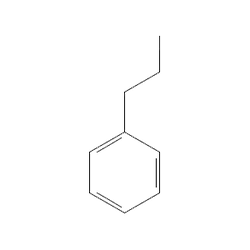
4-Fluorobutyrfentanyl Stats & Data
QZFMCYUBPSLOBP-UHFFFAOYSA-NHistory & Culture
4-Fluorobutyrfentanyl emerged as a designer drug sold online as part of the broader wave of synthetic opioid analogs appearing in illicit markets. Structurally, it is an analog of butyrfentanyl and is closely related to 4-fluorofentanyl, representing one of numerous modifications to the fentanyl scaffold explored by clandestine chemists. The compound is reportedly rare, and there is limited documentation regarding its origins, synthesis history, or the specific circumstances of its introduction to the recreational drug market. Like many novel synthetic opioids, it appears to have been developed and distributed primarily through online vendors catering to the research chemical market.
Effect Profile
Curated + 2 ReportsStrong euphoria with moderate itching/nausea, mild pain relief, low sedation
Tolerance & Pharmacokinetics
drugs.wikiNo tolerance chart. Our decay curves for opioids were estimates, and a curve can make tolerance look longer-lasting than it is, which is the dangerous direction.
Opioid tolerance drops fast when you stop, and even a few days off can be enough, so a dose that used to be normal can now stop your breathing. Overdose deaths rise sharply after prison, detox or leaving treatment, and tolerance also falls during a hospital stay. After any break, start with a much smaller amount, try a test dose first, don't use alone, and keep naloxone within reach. Alcohol, benzodiazepines, gabapentinoids and other sedatives make an opioid overdose much more likely.
Sources: FRANK: heroin · National Harm Reduction Coalition · WHO: opioid overdose · Merrall et al. 2010 · Binswanger et al. 2007 · Strang et al. 2003 · FDA 2019: gabapentinoids and breathing
Experience Report Analysis
ErowidDemographics
Gender Distribution
Too few reports for a chart: gender is known from 2 reports, and a split is drawn only from 20 reports or more. Counts are shown instead. Why 20?
- Female 1 of 2
- Male 1 of 2
Age Distribution
Reports Over Time
Form / Preparation
Most common forms and preparations, as a share of the 2 reports that give one
Too few reports for bars: these forms come from 2 reports, and a bar is drawn only from 20 reports or more. With fewer, a percentage cannot tell a common effect from a rare one. Counts are shown instead. Why 20?
- Liquid 2 of 2
Legal Status
| Country | Status | Notes |
|---|---|---|
| China | Controlled substance | Became a controlled substance in October 2015 as part of China's efforts to restrict synthetic opioid production and distribution. |
| Sweden | Hazardous substance (proposed) | Sweden's public health agency recommended classification as a hazardous substance on August 18, 2014. This designation restricts sale and possession under Swedish drug control legislation. |
| United States | Schedule I | Classified as a Schedule I controlled substance under federal law since February 1, 2018. This designation indicates high abuse potential with no accepted medical use. |