
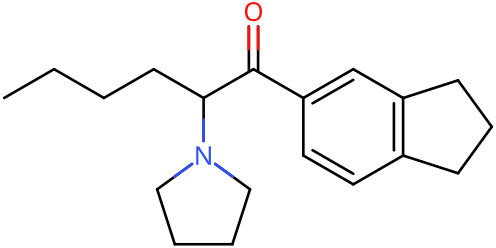
5-BPDi Stats & Data
CCCCC(N1CCCC1)C(=O)c1ccc2CCCc2c1WETQQOQCDBNIKE-UHFFFAOYSA-NEffect Profile
CuratedModerate stimulation with strong anxiety/jitters, mild euphoria and focus
Tolerance & Pharmacokinetics
drugs.wikiTolerance Decay
Acute tolerance within a session is common (diminishing euphoria with repeated lines) alongside increasing side effects. Subjective tolerance decays over 2–4 weeks in many users. Data quality is low; values are inferred from patterns seen with α-PVP/MDPV and community reports.
Cross-Tolerances
Harm Reduction
drugs.wiki5-BPDi (Indanyl-α-PHP) is a hexanone pyrrolidinophenone first detected on the grey market circa mid-2010s; formal human pharmacology/toxicology is lacking. As with related pyrrolidinophenones (α-PVP/MDPV), strong dopaminergic/noradrenergic stimulation can cause marked tachycardia, hypertension, anxiety, bruxism, vasoconstriction (cold/numb extremities), and hypervigilance; plan a dose cap, avoid heat/exertion, and monitor pulse/BP if possible. Residual stimulation often outlasts euphoria—late redosing commonly leads to insomnia and paranoia; set a hard stop time and prepare sleep hygiene or non-alcoholic sedating measures (without mixing high doses of depressants). Avoid combining with other stimulants or MAOIs due to hypertensive crisis/arrhythmia risk; tramadol and bupropion increase seizure risk; decongestants increase vasoconstriction. Because cathinone powders are frequently mis-sold/adulterated, use lab drug checking where available or multiple reagents (Marquis, Froehde, Simon’s, Zimmermann, Morris) and start with a 0.5–1 mg allergy test; expect that names/labels may not match contents. Oral administration is safer than insufflation; if snorting, reduce tissue damage and infection risk by using sterile personal equipment, crushing finely, rinsing with sterile saline, and spacing lines. Maintain hydration with electrolytes (about 250 mL/h at rest up to ~500 mL/h if active) without overhydrating; eat before use and plan a recovery window with sleep. Avoid use if you have cardiovascular disease, severe anxiety/psychosis risk, or during pregnancy/breastfeeding. Seek urgent care for chest pain, severe headache, confusion, hyperthermia, seizures, or prolonged psychosis—these can reflect stimulant toxicity or excited delirium.
References
Cited References
Additional references
- Erowid: MDPV Effects & Duration (used as structural-analogue inference for timeline and risks)
- Erowid: MDPV Dose (analogue dosing context)
- EUDA/EMCDDA: Perspectives on injection of synthetic cathinones (compulsive use, psychosis)
- EUDA European Drug Reports 2024–2025 (market trends; pyrrolidinophenone harms)
- Saferparty drug-checking warnings (frequent mis-selling; α‑PVP sold as 3‑MMC)
- Hi‑Ground cathinones HR guide (hydration, nasal care, reagent suggestions)
- TripSit: Drug combinations/HR hub (MAOI/stimulant cautions; general HR)
- DrugWise cathinones overview (stimulant risks; compulsive redosing; MDPV potency)
- Toronto Drug Checking Service (adulteration/mis-selling context and value of checking)