
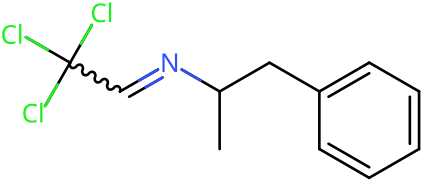
Amfecloral Stats & Data
CC(N=CC(Cl)(Cl)Cl)Cc1ccccc1VBZDETYCYXPOAK-OVCLIPMQSA-NPharmacology
DrugBankDescription
Amfecloral is a stimulant drug of the phenethylamine and amphetamine chemical classes. For a short period of time, it was available under the brand Acutran and indicated as an appetite suppressant, but this product no longer exists. It acts as a prodrug which splits to form amphetamine and chloral hydrate, similarly to clobenzorex and related compounds, except that the N-substituent, in this case, yields a compound that is active in its own right. The chloral hydrate metabolite is a gabaminergic sedative/hypnotic, and would in theory counteract some of the stimulant effects of the amphetamine metabolite. This would produce an effect similar to the amphetamine/barbiturate combinations previously used in psychiatric medications.
Indication
Used as an appetite suppressant.
Receptor Profile
Receptor Actions
Effect Profile
CuratedModerate euphoria and focus with strong anxiety/jitters, mild stimulation
Tolerance & Pharmacokinetics
drugs.wikiTolerance Decay
Tolerance figures are extrapolated from general amphetamine patterns and chloral-hypnotic tolerance (which develops rapidly) rather than direct studies on amfecloral; treat as approximate and conservative. Avoid consecutive-day use; allow multi-day breaks to limit sleep disruption and crash severity.
Cross-Tolerances
Harm Reduction
drugs.wiki• Amfecloral is a Schiff-base (imine) prodrug that splits in vivo to amphetamine (stimulant) and chloral hydrate→trichloroethanol (sedative–hypnotic), which explains its smoother onset and biphasic profile. The chloral-derived metabolite positively modulates GABA-A and adds residual sedation; combining with other depressants (alcohol, benzos, opioids, barbiturates) can cause dangerous respiratory depression, especially as the stimulant wears off.
• Amphetamine increases heart rate and blood pressure; hypertensive crises and severe toxicity can occur with MAOIs. Avoid MAOIs (including linezolid/methylene blue) and allow appropriate washouts. Monitor HR/BP and avoid if you have significant cardiovascular disease.
• CYP2D6 status and inhibitors (fluoxetine, paroxetine, quinidine, bupropion, dronedarone) can raise amphetamine exposure; tramadol and dextromethorphan raise seizure/serotonin risks, especially with stimulants. Treat combinations as higher risk.
• Because onset is slower than plain amphetamine, premature redosing can lead to stacking and delayed over-intoxication; wait 2–3 hours before any redose, and avoid chasing early. Amphetamine elimination is pH-dependent; antacids/alkalinizers can prolong effects and insomnia.
• Authentic material is rare; the name is sometimes misused online. Prefer lab-based drug checking (FTIR/GC–MS) through reputable services; reagent tests may not be discriminative for this prodrug.
• Avoid non-oral routes: the prodrug relies on hydrolysis and chloral/chloro-derivatives can irritate mucosa; non-oral pharmacokinetics are undocumented and may increase harm without benefit.
• Do not drive or perform safety-critical tasks during the session or the following morning due to possible lingering sedation from the chloral metabolite. Residual somnolence is well documented with chloral hydrate.
• If combining with any sedative for sleep, use the smallest effective dose with a sober sitter present; the stimulant may mask intoxication until it fades, at which point respiratory depression from depressants can emerge.
References
Data Sources
Cited References
- Fitch FW et al. Anorectic drugs: comparative appraisal. American Journal of Clinical Nutrition (1970)
- Ganellin CR, Triggle DJ. Dictionary of pharmacological agents (1996)
- McPherson EM. Pharmaceutical Manufacturing Encyclopedia, 3rd Edition (2007)
- PubChem: Amfecloral compound overview
- Van Rossum JM. Mode of action of psychomotor stimulant drugs. International Review of Neurobiology (1970)
- Amfecloral product monograph ‘Acutran’ (Parke-Davis, 1969 archival brochure).
- TripSit Factsheet: Amfecloral
Additional references
- DrugBank: Amfecloral (DB08924) overview (prodrug to amphetamine + chloral hydrate; synonyms)
- NCBI Bookshelf: LiverTox – Chloral hydrate (residual somnolence; interactions incl. alcohol/anticoagulants; overdose respiratory depression)
- NCBI Bookshelf: Some Drinking‑water Disinfectants – Chloral/Chloral hydrate (hypnotic use; conversion to trichloroethanol; irritant/rubefacient)
- NCBI Bookshelf: GABA‑A positive allosteric modulators (ethanol and sedatives act at GABA‑A; additive CNS depression)
- StatPearls: Monoamine Oxidase Inhibitors (MAOI) – contraindications with sympathomimetic stimulants
- DrugBank: Amphetamine (DB00182) – CYP2D6 metabolism; urine pH effect (see linked references)
- DrugBank article: Amphetamine/CYP2D6 interaction evidence
- NCBI Bookshelf: Treatment for Stimulant Use Disorders – duration and elimination, urine pH dependence
- StatPearls: Dextromethorphan toxicity – serotonergic and adrenergic risks with other agents
- StatPearls/MedGen: Tramadol – CYP2D6, serotonergic and seizure risk
- TripSit Drug Combinations – amphetamines with alcohol/caffeine/cocaine etc.
- Erowid Amphetamines – effects and overdose features (general stimulant HR context)
- Drug checking (Toronto’s Drug Checking Service) – rationale for lab-based checking