
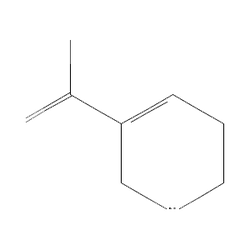
Arecoline Stats & Data
HJJPJSXJAXAIPN-UHFFFAOYSA-NPharmacology
DrugBankDescription
An alkaloid obtained from the betel nut (Areca catechu), fruit of a palm tree. It is an agonist at both muscarinic and nicotinic acetylcholine receptors. It is used in the form of various salts as a ganglionic stimulant, a parasympathomimetic, and a vermifuge, especially in veterinary practice. It has been used as a euphoriant in the Pacific Islands.
Measured Affinities
Guide to PHARMACOLOGYMeasured binding and functional data for arecoline, curated by the IUPHAR/BPS Guide to PHARMACOLOGY. Each row cites the paper it came from. Lower concentrations mean tighter binding — a value in the sub-nanomolar range indicates a very potent interaction.
| Target | Action | Measure | Value | Concentration | Species | Source |
|---|---|---|---|---|---|---|
| M1 receptor CHRM1 | Full agonist | pKi | 5.7 | 1,995 nM | Human | — |
| M4 receptor CHRM4 | Full agonist | pKi | 5.5 | 3,162 nM | Human | — |
| M3 receptor CHRM3 | Full agonist | pKi | 5.4 | 3,981 nM | Human | — |
| M1 receptor Chrm1 | Partial agonist | pKi | 5.3 | 5,012 nM | Rat | PMID 2537406 |
| M2 receptor CHRM2 | Full agonist | pKi | 5.2 | 6,310 nM | Human | — |
| M5 receptor CHRM5 | Agonist | - | — | — | Human | — |
Reading this. pKi, pEC50 and pIC50 are negative log molar values, so a higher number means a tighter interaction; the concentration column converts them for you. Values from non-human species are laboratory measurements and do not translate directly to human effect. Receptor affinity is not a dose — it describes what a molecule binds, not how much of it is safe to take.
Receptor data from the IUPHAR/BPS Guide to PHARMACOLOGY (v2026.2), licensed CC BY-SA 4.0. Matched to this substance by InChIKey.
Toxicity
PubChemArecoline is the primary active ingredient responsible for the central nervous system effects of the areca nut. Arecoline has been compared to nicotine; however, nicotine acts primarily on the nicotinic acetylcholine receptor.
LD50
LD50: 100 mg/kg, administered subcutaneously in mouse (Wikipedia)
Carcinogenicity
Group 2B: Possibly carcinogenic to humans
Health effects (PubChem excerpts)
Pupillary constriction, bronchial constriction.
Effect Profile
CuratedStrong focus with moderate stimulation, low anxiety/jitters
Tolerance & Pharmacokinetics
drugs.wikiTolerance Decay
Tolerance patterns are inferred from habitual quid users (rapid tolerance to salivation and GI effects, less to cardiovascular effects). Data are low quality and largely anecdotal; sustained daily use tends to increase dose frequency due to short duration.
Cross-Tolerances
Harm Reduction
drugs.wikiHarm-reduction essentials: (1) Cancer risk differs by product: areca/betel quid chewing (with or without tobacco) is carcinogenic to humans (Group 1), while purified arecoline itself has been classified as possibly carcinogenic (Group 2B); reducing or avoiding quid use reduces exposure to multiple carcinogens found in quids, but arecoline exposure still carries mechanistic carcinogenic concerns. (2) Slaked lime raises oral pH and can enhance buccal absorption but also causes chronic mucosal irritation and contributes to oral submucous fibrosis risk observed in quid users; avoid lime if not culturally required. (3) Salt/base conversion matters: 1 mg arecoline HBr ≈ 0.66 mg freebase; dosing errors from this confusion are common—dose conservatively, especially when switching products. (4) Respiratory risk: muscarinic agonists can provoke bronchospasm and heavy secretions; avoid inhalation routes if you have asthma/COPD or any reactive airway disease; stop immediately if wheeze, chest tightness, or dyspnea occur. (5) Cardiovascular risk: arecoline can lower heart rate and blood pressure via M2/M3 activation; those with baseline bradycardia, on AV‑node–slowing drugs, or with coronary disease should avoid use. (6) GI risk: increased acid secretion and peristalsis can aggravate peptic ulcer disease or precipitate cramping and diarrhea; take with water and avoid on an empty stomach if sensitive. (7) Pregnancy/lactation: avoid—arecoline is detectable in breast milk and maternal quid use is associated with low birth weight and adverse pregnancy outcomes in human studies. (8) Liver disease: habitual areca/betel use is epidemiologically linked to cirrhosis and hepatocellular carcinoma; avoid in chronic liver disease or viral hepatitis. (9) Overdose/poisoning signs are typical cholinergic excess (salivation, sweating, miosis, vomiting/diarrhea, bronchospasm, bradycardia, confusion/seizure in severe cases); first steps are to stop exposure, remove any quid/lozenge, rinse mouth, sit or lie down, hydrate if able, and seek urgent medical care—atropine is an effective antidote but must be given by clinicians. (10) Stacking doses: the short peak encourages redosing; wait at least one full hour before considering any increment to avoid cumulative cholinergic toxicity. (11) Co-use with tobacco or alcohol increases long-term cancer risk for oral and upper aerodigestive sites; safest choice is to avoid those combinations entirely. (12) Product variability is high across areca nuts and unregulated arecoline products; start at the low end, test a single‑substance product before mixing, and consider drug‑checking practices where available.
References
Cited references
- IARC Monographs – Arecoline (evaluation, PK; Group 2B)
- IARC Monographs – Betel‑quid/Areca‑nut (mechanisms, slaked lime irritation, carcinogenicity)
- Oral Cancer: Prevention, Early Detection, and Treatment – Areca nut chewing (Group 1) and tobacco synergy
- General remarks on carcinogenic products; aldehydes in e‑cigarette vapour (acrolein, crotonaldehyde)
- Muscarinic Agonists – adverse effects and contraindications (bronchospasm, bradycardia, ulcers, CAD, hyperthyroidism)
- Plant Alkaloids Toxicity – cholinergic toxicity features; chronic arecoline exposure and oral cancer
- LiverTox – Areca nut: cirrhosis/HCC risk with habitual use; cardiovascular events reported
- DrugBank – Arecoline base (DB04365)
- DrugBank – Arecoline hydrobromide salt (MW)