
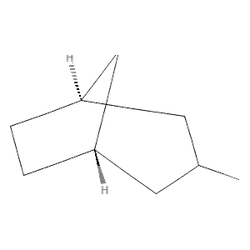
Atropine Stats & Data
OCC(C(=O)OC1CC2CCC(C1)N2C)c1ccccc1RKUNBYITZUJHSG-SPUOUPEWSA-NPharmacology
DrugBankDescription
An alkaloid, originally from Atropa belladonna, but found in other plants, mainly solanaceae.
Mechanism of Action
Atropine binds to and inhibit muscarinic acetylcholine receptors, producing a wide range of anticholinergic effects.
Pharmacodynamics
Atropine, a naturally occurring belladonna alkaloid, is a racemic mixture of equal parts of d- and l-hyoscyamine, whose activity is due almost entirely to the levo isomer of the drug. Atropine is commonly classified as an anticholinergic or antiparasympathetic (parasympatholytic) drug. More precisely, however, it is termed an antimuscarinic agent since it antagonizes the muscarine-like actions of acetylcholine and other choline esters. Adequate doses of atropine abolish various types of reflex vagal cardiac slowing or asystole. The drug also prevents or abolishes bradycardia or asystole produced by injection of choline esters, anticholinesterase agents or other parasympathomimetic drugs, and cardiac arrest produced by stimulation of the vagus. Atropine may also lessen the degree of partial heart block when vagal activity is an etiologic factor. Atropine in clinical doses counteracts the peripheral dilatation and abrupt decrease in blood pressure produced by choline esters. However, when given by itself, atropine does not exert a striking or uniform effect on blood vessels or blood pressure.
Metabolism
Much of the drug is destroyed by enzymatic hydrolysis, particularly in the liver. From 13 to 50% is excreted unchanged in the urine.
Absorption
Atropine is rapidly and well absorbed after intramuscular administration. Atropine disappears rapidly from the blood and is distributed throughout the various body tissues and fluids.
Indication
For the treatment of poisoning by susceptible organophosphorous nerve agents having anti-cholinesterase activity (cholinesterase inhibitors) as well as organophosphorous or carbamate insecticides.
Half-life
3.0 ± 0.9 hours in adults. The half-life of atropine is slightly shorter (approximately 20 minutes) in females than males.
Protein Binding
The protein binding of atropine is 14 to 22% in plasma.
Elimination
Much of the drug is destroyed by enzymatic hydrolysis, particularly in the liver; from 13 to 50% is excreted unchanged in the urine.
Datura is known to be extremely unpredictable and has the potential to result in severe consequences, hospitalization or death. The toxicity and long-term health effects of regular datura usage do not seem to have been studied in any scientific context and the exact toxic dosage is unknown. This is because long-term datura usage is very rare and the vast majority of people who try it do not desire to repeat the experience. In traditional cultures, a great deal of experience with and detailed knowledge of datura was critical to minimize harm. Many fatal incidents result from modern users ingesting datura.
Toxicity (DrugBank)
Oral, mouse: LD50 = 75 mg/kg. Symptoms of overdose includes widespread paralysis of parasympathetically innervated organs. Dry mucous membranes, widely dilated and nonresponsive pupils, tachycardia, fever and cutaneous flush are especially prominent, as are mental and neurological symptoms. In instances of severe intoxication, respiratory depression, coma, circulatory collapse and death may occur.
Tolerance & Pharmacokinetics
drugs.wikiTolerance Decay
Limited and mostly anecdotal data: repeated daily exposure to antimuscarinics appears to blunt delirium intensity within 2–3 days but does not reliably protect from peripheral toxicity (tachycardia, anhidrosis, urinary retention). Cross‑tolerance across anticholinergic deliriants is plausible due to shared muscarinic antagonism, but quantitative relationships are unproven. Treat this section as precautionary and avoid any intentional ‘tolerance testing’.
Cross-Tolerances
Experience Report Analysis
ErowidDemographics
Gender Distribution
Too few reports for a chart: gender is known from 2 reports, and a split is drawn only from 20 reports or more. Counts are shown instead. Why 20?
- Male 1 of 2
- Not Specified 1 of 2
Age Distribution
Reports Over Time
Harm Reduction
drugs.wikiAtropine’s psychoactive dose-range overlaps its toxic range; fatalities and life‑threatening events have occurred at doses only modestly above those producing hallucinations. Children are especially vulnerable; 10 mg or less may be fatal in a child. In adults, severity is highly variable, with case reports spanning survival after massive ingestions to death at comparatively low doses, underscoring unpredictability. Ocular solutions are systemically absorbed (mean ~64% bioavailability of L‑hyoscyamine after topical use); ingesting or misusing eye drops has caused systemic poisoning. Anticholinergic toxidrome includes hyperthermia, tachyarrhythmias, urinary retention, ileus, anhidrosis, delirium, and realistic hallucinations; overheating is common because sweating is impaired, so hot environments and strenuous activity markedly increase danger. Acute angle‑closure glaucoma, prostatic hypertrophy/urinary obstruction, paralytic ileus, and severe cardiac disease warrant particular caution; atropine can precipitate crises in these settings. Management of overdose is medical: airway/ventilation, aggressive external cooling for hyperthermia, IV fluids, and IV benzodiazepines for agitation/seizures; physostigmine may be given only in hospital for confirmed pure anticholinergic toxicity. Avoid driving, swimming, cooking, heights, and hazardous environments during effects and for at least a day after, due to amnesia and impaired judgment. Even low concentrations used for myopia control can cause days of photophobia and near-vision blur; do not ‘redose to push through’ these effects — they are signs of antimuscarinic action, not a benign inconvenience. Plant material (Datura/Atropa) is particularly dangerous because alkaloid content varies by species, part, season, and preparation, making titration unreliable.
References
Cited references
- StatPearls: Atropine (2025 update)
- StatPearls: Anticholinergic Toxicity (management, benzodiazepines first‑line; physostigmine criteria)
- StatPearls: Plant Alkaloids Toxicity (jimsonweed seeds, anticholinergic toxidrome)
- NCBI Bookshelf: Possible Long‑Term Health Effects of Short‑Term Exposure to Chemical Agents — Anticholinergics (child fatality risk; dose–effect variability)
- DrugBank: Atropine (synonyms, PK, clinical uses)
- Erowid Datura Basics (duration, effects, overheating risk in plant tropanes)
- StatPearls: Atropine PK (ocular systemic absorption)
- Reddit r/optometry / r/EyeFloaters (ophthalmic atropine near‑blur, photophobia durations: anecdotal)
- Bluelight discussions (anticholinergic misuse risks: anecdotal)