
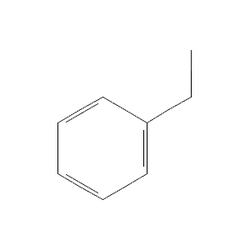
Benzylfentanyl Stats & Data
CCC(=O)N(c1ccccc1)C1CCN(CC1)Cc1ccccc1POQDXIFVWVZVML-UHFFFAOYSA-NPharmacology
DrugBankDescription
Benzylfentanyl (R-4129) is a fentanyl analog opioid that was on the list of Schedule I drugs in America in 1985 due to its structural similarity to fentanyl. In 2010 it was removed from the list after it was found to have minimal opioid activity. Benzylfentanyl has a Ki of 213nM at the mu opioid receptor, binding around 200x less strongly than fentanyl itself.
Effect Profile
CuratedStrong euphoria with moderate itching/nausea, mild sedation
Tolerance & Pharmacokinetics
drugs.wikiNo tolerance chart. Our decay curves for opioids were estimates, and a curve can make tolerance look longer-lasting than it is, which is the dangerous direction.
Opioid tolerance drops fast when you stop, and even a few days off can be enough, so a dose that used to be normal can now stop your breathing. Overdose deaths rise sharply after prison, detox or leaving treatment, and tolerance also falls during a hospital stay. After any break, start with a much smaller amount, try a test dose first, don't use alone, and keep naloxone within reach. Alcohol, benzodiazepines, gabapentinoids and other sedatives make an opioid overdose much more likely.
Sources: FRANK: heroin · National Harm Reduction Coalition · WHO: opioid overdose · Merrall et al. 2010 · Binswanger et al. 2007 · Strang et al. 2003 · FDA 2019: gabapentinoids and breathing