
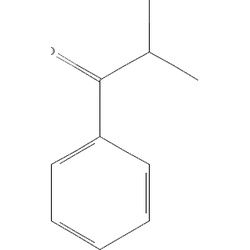
Diethylpropion Stats & Data
CCN(CC)C(C)C(=O)C1=CC=CC=C1XXEPPPIWZFICOJ-UHFFFAOYSA-NPharmacology
DrugBankDescription
A appetite depressant considered to produce less central nervous system disturbance than most drugs in this therapeutic category. It is also considered to be among the safest for patients with hypertension. (From AMA Drug Evaluations Annual, 1994, p2290)
Mechanism of Action
Diethylpropion is an amphetamine that stimulates neurons to release or maintain high levels of a particular group of neurotransmitters known as catecholamines; these include dopamine and norepinephrine. High levels of these catecholamines tend to suppress hunger signals and appetite. Diethylpropion (through catecholamine elevation) may also indirectly affect leptin levels in the brain. It is theorized that diethylpropion can raise levels of leptin which signal satiety. It is also theorized that increased levels of the catecholamines are partially responsible for halting another chemical messenger known as neuropeptide Y. This peptide initiates eating, decreases energy expenditure, and increases fat storage.
Pharmacodynamics
Diethylpropion is a sympathomimetic stimulant drug marketed as an appetite suppressant. Chemically, it is the N,N-diethyl analog of cathinone. Its mechanism of action is similar to other appetite suppressants such as sibutramine, phentermine and dextroamphetamine.
Metabolism
Extensively metabolized through a complex pathway of biotransformation involving N-dealkylation and reduction. Many of these metabolites are biologically active and may participate in the therapeutic action of diethylpropion.
Absorption
Diethylpropion is rapidly absorbed from the GI tract after oral administration.
Indication
Used in the management of exogenous obesity as a short-term adjunct (a few weeks) in a regimen of weight reduction based on caloric restriction.
Half-life
Using a phosphorescence assay that is specific for basic compounds containing benzoyl group, the plasma half-life of the aminoketone metabolites is estimated to be between 4 to 6 hours.
Elimination
Diethylpropion is rapidly absorbed from the GI tract after oral administration and is extensively metabolized through a complex pathway of biotransformation involving N-dealkylation and reduction. Diethylpropion and/or its active metabolites are believed to cross the blood-brain barrier and the placenta. Diethylpropion and its metabolites are excreted mainly by the kidney.
Diethylpropion hydrochloride is a centrally acting antiobesity drug. Indications: Appetite suppressant (anorectic) for benzphetamine, diethypropion, phendimetrazine, phenmetrazine and phentermine. Diethylpropion is an amphetamine that stimulates neurons to release or maintain high levels of a particular group of neurotransmitters known as catecholamines; these include dopamine and norepinephrine. High levels of these catecholamines tend to suppress hunger signals and appetite.
LD50
LD50: 600 mg/kg (Oral, Mouse) (A308)LD50: 50 mg/kg (Oral, Rat) (A308)LD50: 225 mg/kg (Oral, Dog) (A308)
Carcinogenicity
No indication of carcinogenicity to humans (not listed by IARC).
Health effects (PubChem excerpts)
Using large amounts of these drugs can result in a condition known as amphetamine psychosis -- which can result in auditory, visual and tactile hallucinations, intense paranoia, irrational thoughts and beliefs, delusions, and mental confusion.
Effect Profile
CuratedModerate euphoria with strong anxiety/jitters, mild stimulation, low focus
Tolerance & Pharmacokinetics
drugs.wikiTolerance Decay
Stimulant tolerance generalizes across catecholaminergic agents and decays over days to weeks; values reflect community reports and stimulant physiology rather than controlled trials.
Cross-Tolerances
Harm Reduction
drugs.wiki• Use the lowest effective dose; for medical products do not exceed 75 mg/day total (25 mg IR TID or 75 mg SR QAM). Re‑dosing within the same day increases tachycardia, BP elevation, anxiety, and insomnia risk. • Short‑term use (historically ≤12 weeks) has been standard; longer courses raise tolerance and adverse‑event likelihood. • Rare but serious risks include pulmonary hypertension and acute arrhythmias; seek urgent care for persistent chest pain, exertional dyspnea, syncope, or ankle swelling. • Diethylpropion’s primary psychoactive effects are largely mediated by an aminoketone metabolite acting as a norepinephrine>dopamine releasing agent/inhibitor; this underlies strong appetite suppression with comparatively mild euphoria but meaningful cardiovascular load. • Avoid combining with MAOIs (including linezolid/methylene blue) due to risk of hypertensive crisis; a 14‑day washout is prudent. • Combining with other stimulants (including high‑dose caffeine or decongestants) substantially increases hyperthermia, hypertension, and seizure risk; avoid. • Combining with bupropion or tramadol increases seizure risk; both independently lower seizure threshold. • If choosing to use non‑medically, prefer oral over insufflation: nasal routes produce faster rises in plasma levels, greater BP/HR spikes, and more compulsive redosing; tablets contain binders that irritate/damage mucosa. • Do not crush or tamper with sustained‑release tablets (dose‑dumping). • Plan nutrition and fluids: stimulants suppress appetite and can cause dehydration; sip fluids regularly and include electrolytes during exertion/hot settings. • Space use: tolerance builds rapidly with daily/near‑daily use; allow several days to weeks between sessions to reduce compulsive use and adverse effects. • People with known cardiovascular disease, uncontrolled hypertension, or a history of stimulant‑induced anxiety/psychosis should avoid non‑medical use and seek medical advice before any exposure. • Monitor BP/HR during first exposures or dose changes; discontinue if marked or symptomatic elevations occur. • Insomnia is common; avoid afternoon/evening dosing and maintain sleep hygiene. • Hepatotoxicity appears unlikely compared with many agents, but most elimination is renal; older adults or those with renal impairment should be cautious with dosing and hydration.
References
Cited references
- DrugBank – Diethylpropion monograph (DB00937)
- LiverTox – Diethylpropion
- DrugBank article: uptake/release effects of diethylpropion metabolites (Bioorg Med Chem 2000)
- NCBI MeSH – Diethylpropion entry terms/brands
- NCBI MedGen – Diethylpropion response (mechanism summary)
- TripSit – Drug combinations (stimulants + MAOIs etc.)
- Erowid – Amphetamines: Health issues and risks
- Erowid – Amphetamines: Effects
- StatPearls (NCBI) – Bupropion (seizure risk & interactions)
- PubChem – Diethylpropion (CID 7029)