
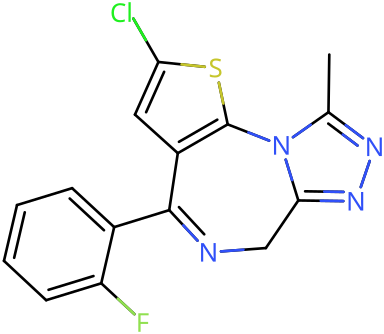
Fluclotizolam Stats & Data
Fc1ccccc1C1=NCc2nnc(C)n2c2sc(Cl)cc12ZDYRCUZZLRLMHG-UHFFFAOYSA-NReceptor Profile
Receptor Actions
History & Culture
Fluclotizolam is a thienotriazolodiazepine that was originally synthesized in 1979 but was never developed for medical use or brought to market as a pharmaceutical product. The compound remained obscure for nearly four decades until it resurfaced as a designer drug in the mid-2010s. It was first definitively identified through analytical methods in 2017, joining the growing class of novel benzodiazepines appearing on the research chemical market.
Effect Profile
Curated + 1 ReportsStrong anxiolysis and euphoria with mild sedation and cognitive impairment
Tolerance & Pharmacokinetics
drugs.wikiNo tolerance chart. Our decay curves for these drugs were estimates, and a curve can make tolerance look longer-lasting than it is, which is the dangerous direction.
How fast tolerance to these drugs fades after a break has not been measured well enough to draw, so don't count on a dose you used to take still being safe: after time off, start with a much smaller amount and don't use alone. Mixing sedatives with each other, with alcohol or with opioids sharply raises the risk of a fatal overdose. If you've been using regularly, don't stop suddenly: withdrawal from benzodiazepines, alcohol or GHB/GBL can cause seizures or delirium, so get medical help to cut down gradually.
Sources: FRANK: benzodiazepines · Alcohol and Drug Foundation: GHB · FDA 2020: benzodiazepine boxed warning · FDA 2019: gabapentinoids and breathing · NHS: alcohol use disorder
Cross-Tolerances
Experience Report Analysis
ErowidDemographics
Gender Distribution
Too few reports for a chart: gender is known from 1 report, and a split is drawn only from 20 reports or more. Counts are shown instead. Why 20?
- Male 1 of 1
Age Distribution
Reports Over Time
Harm Reduction
drugs.wikiPotency varies by batch; start with no more than 0.1–0.25 mg and wait 2+ hours before considering any redose. Sub-milligram accuracy is essential—use volumetric dosing (e.g., 1 mg in 10 mL 50:50 ethanol:water or PG/ethanol) measured with a marked oral syringe; do not rely on drop counts due to large variability. Most benzodiazepines are poorly water-soluble and perform unpredictably intranasally; oral or sublingual routes are safer and more consistent. New benzodiazepines are frequently mis-sold or adulterated; counterfeit 'benzo' tablets and liquids have been found to contain bromazolam, stimulants, and even nitazene opioids—use an accredited drug checking service where available. Combining with opioids or other depressants is the primary cause of fatal outcomes; avoid co-use, and ensure naloxone and oxygen access if opioids are present. Short-acting, high-potency benzos increase blackout and 'delusions of sobriety'; set a hard cap (≤0.5 mg per 12 h) and avoid daily use. Expect rebound insomnia/anxiety as effects wear off; spacing uses by weeks reduces tolerance and withdrawal risk. Standard immunoassay urine tests target oxazepam-like metabolites and may miss some designer benzos; specialized confirmatory testing is needed. Avoid driving or hazardous tasks for at least 8–12 h after the last dose, longer if drowsy.
References
Data Sources
Cited References
- Bluelight: Fluclotizolam discussion thread
- CFSRE: Fluclotizolam Toxicology Analytical Report (2021)
- European Monitoring Centre: New benzodiazepines news release
- Hellerbach et al. (1979) - Thienotriazolodiazepines patent
- J Healthcare Initiative: Fluclotizolam effects & dosing
- Orsolini et al. (2020) - Designer benzodiazepines review
- PsychonautWiki: Fluclotizolam
- Reddit: Active 1.5 mg Fluclotizolam report
- Reddit: Fluclotizolam feels mediocre discussion
- UK ACMD (2024) - Novel benzodiazepines update
- Zawilska & Wojcieszak (2019) - Designer benzodiazepines
- Orsolini L. et al. 2020 – Review of designer benzodiazepines
Additional references
- PubChem: Fluclotizolam compound entry
- Bluelight – Fluclotizolam thread (potency, blotter dosing, user reports)
- Reddit – user reports on dose, duration, 'delusions of sobriety'
- SubstanceSearch: Fluclotizolam summary (onset/duration)
- EUDA European Drug Report 2025 – NPS overview, fake benzo/nitazene risks
- Saferparty drug checking alerts – mis-sold benzodiazepine tablets (examples)
- Toronto Drug Checking Service – frequent benzo co-occurrence with high-potency opioids
- TripSit Wiki – factsheets/API and general HR context
- Bluelight – Volumetric dosing HR thread
- Bluelight – Bioavailability/Half-life mega-thread (benzos intranasal/rectal notes)
- StatPearls – Benzodiazepines (adverse effects; flumazenil cautions)