
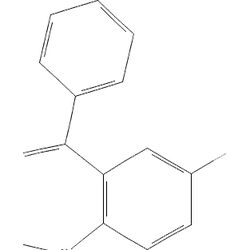
Fosazepam Stats & Data
Clc1ccc2N(CP(C)(C)=O)C(=O)CN=C(c3ccccc3)c2c1JMYCGCXYZZHWMO-UHFFFAOYSA-NEffect Profile
CuratedStrong euphoria with moderate anxiolysis and sedation, mild cognitive impairment
Tolerance & Pharmacokinetics
drugs.wikiNo tolerance chart. Our decay curves for these drugs were estimates, and a curve can make tolerance look longer-lasting than it is, which is the dangerous direction.
How fast tolerance to these drugs fades after a break has not been measured well enough to draw, so don't count on a dose you used to take still being safe: after time off, start with a much smaller amount and don't use alone. Mixing sedatives with each other, with alcohol or with opioids sharply raises the risk of a fatal overdose. If you've been using regularly, don't stop suddenly: withdrawal from benzodiazepines, alcohol or GHB/GBL can cause seizures or delirium, so get medical help to cut down gradually.
Sources: FRANK: benzodiazepines · Alcohol and Drug Foundation: GHB · FDA 2020: benzodiazepine boxed warning · FDA 2019: gabapentinoids and breathing · NHS: alcohol use disorder
Cross-Tolerances
Harm Reduction
drugs.wikiFosazepam is described as a diazepam-derived benzodiazepine; specific peer‑reviewed pharmacokinetic data are sparse, so potency and duration should be considered uncertain—start low and avoid stacking doses. Some community sources discuss fosazepam as a water‑soluble prodrug that is converted in vivo to long‑acting metabolites (e.g., nordazepam), which could prolong impairment into the next day; treat this as plausible but not confirmed by primary literature. Combining benzodiazepines with other CNS depressants—especially opioids, alcohol, barbiturates, or GHB/GBL—markedly increases risk of respiratory depression, aspiration, and fatal overdose. Even in the absence of other depressants, benzodiazepines can cause anterograde amnesia, motor incoordination, and disinhibition; avoid driving and high‑risk tasks until fully recovered. Blackouts and risky behaviors are more likely at higher doses or with redosing; set dose limits in advance and have a trusted sober person hold the supply if impulse control is an issue. Tolerance develops with repeated use over days to weeks; spacing sessions by multiple weeks materially reduces cumulative risk. If daily use occurs, do not abruptly stop—taper gradually under medical supervision to avoid seizures and other severe withdrawal phenomena. Never inject tablets or powders: fillers and insoluble particles can cause serious tissue damage and emboli; water solubility does not make pill solutions safe for IV use. If you must prepare solutions for accurate dosing, use clean volumetric techniques, label concentrations, and store securely to prevent accidental ingestion. People with respiratory disease, sleep apnea, or concurrent opioid therapy face elevated risks from any benzodiazepine; extra caution and avoidance of combinations are prudent. Grapefruit juice and other CYP inhibitors can raise levels of some benzodiazepines; fosazepam’s exact metabolic route is unclear, so avoid strong inhibitors/inducers unless advised by a clinician. Use drug‑interaction charts and equivalence calculators only as rough guides; interindividual response varies widely.
References
Cited references
- DrugBank – Search result listing Fosazepam (diazepam derivative)
- Bluelight – Benzodiazepines water solubility thread (fosazepam prodrug to nordazepam noted)
- TripSit Wiki – Drug combinations (benzodiazepines with opioids/alcohol etc. flagged dangerous)
- TripSit – Benzodiazepine dosage converter (equivalences are rough guides)
- Drugs‑Forum Wiki – Benzodiazepines (general risks, mixing cautions, long‑acting metabolite half‑lives, injection warnings)
- Drug Users Bible – The 10 Commandments of Safer Drug Use (general HR framework)
- NCBI Bookshelf – Benzodiazepine Toxicity (mechanism, withdrawal/overdose context)
- Isomerdesign PiHKAL/info – Aryldiazepine collection listing (contains Fosazepam)