
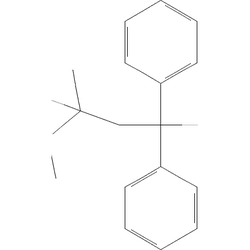
IC-26 Stats & Data
CCS(=O)(=O)C(CC(C)N(C)C)(c1ccccc1)c1ccccc1NLPGJSPLDNDKKZ-UHFFFAOYSA-NEffect Profile
CuratedModerate euphoria with moderate itching/nausea, mild sedation and pain relief
Tolerance & Pharmacokinetics
drugs.wikiNo tolerance chart. Our decay curves for opioids were estimates, and a curve can make tolerance look longer-lasting than it is, which is the dangerous direction.
Opioid tolerance drops fast when you stop, and even a few days off can be enough, so a dose that used to be normal can now stop your breathing. Overdose deaths rise sharply after prison, detox or leaving treatment, and tolerance also falls during a hospital stay. After any break, start with a much smaller amount, try a test dose first, don't use alone, and keep naloxone within reach. Alcohol, benzodiazepines, gabapentinoids and other sedatives make an opioid overdose much more likely.
Sources: FRANK: heroin · National Harm Reduction Coalition · WHO: opioid overdose · Merrall et al. 2010 · Binswanger et al. 2007 · Strang et al. 2003 · FDA 2019: gabapentinoids and breathing
Cross-Tolerances
Harm Reduction
drugs.wikiJustification for harm-reduction additions: (1) Potency variability and causticity: Multiple recent user threads describe severe nasal burn, variable potency vs methadone (≈50–80%), and advise against intranasal or IV use; therefore dose ranges are conservative and insufflation is discouraged. (2) Accumulation risk: Users report long-acting effects and next-day sedation; spacing redoses ≥12–24 h reduces stacking risk. (3) QTc risk inference: Methadone inhibits hERG and prolongs QT; as a close structural analog lacking definitive human data, methiodone should be treated as potentially QT-prolonging—avoid/additively QT-prolonging drugs and consider ECG if using chronically or at higher doses. (4) CYP2B6 interactions: Methadone clearance is driven by CYP2B6; efavirenz/nevirapine markedly reduce methadone levels and precipitate withdrawal—similar interactions are plausible for methiodone, so monitor for underdosing with inducers and for oversedation with inhibitors. (5) Naloxone reversal: For long-acting opioids, repeated doses or infusion may be required due to naloxone’s shorter half-life; monitor for renarcotization. (6) Depressant combinations: TripSit and DrugWise emphasize high overdose risk when opioids are combined with alcohol, benzos, barbiturates, GHB, and gabapentinoids; avoid or use only under medical supervision with rescue naloxone available. (7) Drug checking: Unregulated opioids can be adulterated with fentanyls or nitazenes; lab drug-checking and use of appropriate test strips where available reduce risk—note fentanyl strips do not detect nitazenes. (8) ROA safety: Given frequent reports of harsh acidity, prefer oral capsules or well-diluted solutions; avoid IV/smoking to reduce tissue damage and unpredictable kinetics. (9) Tolerance/withdrawal: Expect rapid tolerance with daily use and prolonged withdrawal resembling methadone; plan spacing and avoid abrupt cessation. (10) Driving/impairment: Long-acting sedation and miosis can persist into the next day; avoid driving and hazardous tasks. First-aid in overdose: support airway/breathing; administer naloxone (repeat as needed) and seek emergency care; monitor for recurrence due to long duration.
References
Cited references
- PubChem compound entry for IC-26 (synonyms, identifiers)
- Bluelight: Methiodone/IC-26 main discussion (reports on causticity, maintenance utility, long duration)
- Reddit r/researchchemicals: IV/insufflation cautions; severe nasal burn; variable potency
- Reddit r/researchchemicals: Basic info/dose spread; daily user experiences; accumulation
- Reddit r/researchchemicals: Dose and potency vs methadone; rectal timelines
- Reddit r/researchchemicals: Potency variability 50–80% vs methadone; limited recreational value
- Methadone-associated QTc prolongation and TdP review (mechanism and risk factors)
- Naloxone – StatPearls (repeat dosing/infusion may be required for long-acting opioids)
- Practical guide: Methadone overdose management (need for repeated naloxone or infusion)
- CYP2B6 role in methadone metabolism (implications for inducers/inhibitors)
- Methadone pharmacogenetics – CYP2B6 polymorphisms impact clearance (extrapolated caution for methiodone)
- Efavirenz markedly reduces methadone levels (clinical withdrawal; extrapolated caution)
- Liverpool HIV interactions summary (efavirenz ↔ methadone)
- TripSit drug combinations chart (opioids + depressants = dangerous)
- DrugWise: Pregabalin and gabapentin risks with opioids
- Hi-Ground: Opioids harm reduction overview and drug checking advice
- Hi-Ground: Drug checking facts (unregulated market, counterfeit risk)
- Hi-Ground: Nitazenes resource (fentanyl strips do not detect nitazenes)
- Reddit r/NovelOpioids: ROA discussion (oral preferred; intranasal very caustic)