
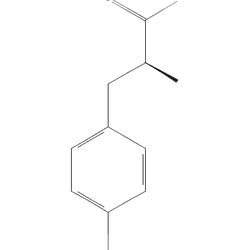
L-Tyrosine Stats & Data
OUYCCCASQSFEME-QMMMGPOBSA-NPharmacology
DrugBankDescription
Tyrosine is a non-essential amino acid. In animals it is synthesized from phenylalanine. It is also the precursor of epinephrine, thyroid hormones, and melanin.
Mechanism of Action
Tyrosine is produced in cells by hydroxylating the essential amino acid phenylalanine. This relationship is much like that between cysteine and methionine. Half of the phenylalanine required goes into the production of tyrosine; if the diet is rich in tyrosine itself, the requirements for phenylalanine are reduced by about 50%. The mechanism of L-tyrosine's antidepressant activity can be accounted for by the precursor role of L-tyrosine in the synthesis of the neurotransmitters norepinephrine and dopamine. Elevated brain norepinephrine and dopamine levels are thought to be associated with antidepressant effects.
Pharmacodynamics
Tyrosine is a nonessential amino acid synthesized in the body from phenylalanine. Tyrosine is critical for the production of the body's proteins, enzymes and muscle tissue. Tyrosine is a precursor to the neurotransmitters norepinephrine and dopamine. It can act as a mood elevator and an anti-depressant. It may improve memory and increase mental alertness. Tyrosine aids in the production of melanin and plays a critical role in the production of thyroxin (thyroid hormones). Tyrosine deficiencies are manifested by hypothyroidism, low blood pressure and low body temperature. Supplemental tyrosine has been used to reduce stress and combat narcolepsy and chronic fatigue.
Metabolism
In the liver, L-tyrosine is involved in a number of biochemical reactions, including protein synthesis and oxidative catabolic reactions. L-tyrosine that is not metabolized in the liver is distributed via the systemic circulation to the various tissues of the body.
Absorption
L-tyrosine is absorbed from the small intestine by a sodium-dependent active transport process.
Indication
Tyrosine is claimed to act as an effective antidepressant, however results are mixed. Tyrosine has also been claimed to reduce stress and combat narcolepsy and chronic fatigue, however these claims have been refuted by some studies.
Tyrosine is physically safe, is not known to cause brain damage, and has an extremely low toxicity relative to dose. Similar to many other nootropic drugs, there are relatively few physical side effects associated with acute tyrosine exposure. Various studies have shown that in reasonable doses in a careful context, it presents no negative cognitive, psychiatric or toxic physical consequences of any sort. However, it is still strongly recommended that one use harm reduction practices when using this drug.
Carcinogenicity
No indication of carcinogenicity to humans (not listed by IARC).
Toxicity (DrugBank)
L-Tyrosine has very low toxicity. There have been very few reports of toxicity. LD50 (oral, rat) > 5110 mg/kg.
Effect Profile
Curated + 4 ReportsStrong focus with moderate stimulation, mild euphoria, low anxiety/jitters
Tolerance & Pharmacokinetics
drugs.wikiTolerance Decay
Experience Report Analysis
ErowidDemographics
Gender Distribution
Too few reports for a chart: gender is known from 14 reports, and a split is drawn only from 20 reports or more. Counts are shown instead. Why 20?
- Male 12 of 14
- Female 2 of 14
Age Distribution
Reports Over Time
Effect Analysis
ErowidEffects aggregated from 4 experience reports (4 single-substance Erowid)
Effect Sentiment Distribution
Confidence Distribution
Each bar is the share of reports mentioning the effect; its whisker, and the band on the rows below, is the 95% interval: where the share could plausibly be with other reports of the same kind.
Too few reports for bars: these effects come from 4 single-substance Erowid reports, and a bar is drawn only from 20 reports or more. With fewer, a percentage cannot tell a common effect from a rare one. Counts are shown instead. Why 20?
Positive Effects 1
Adverse Effects 0
Real-World Dose Distribution
ErowidFrom 31 of 34 recorded dose entries: those that state a weight (mg, g or µg), in routes with at least five of them. Values above Q3 + 3×IQR, far above what people typically take, are left out; they can include real heavy doses and overdoses, not only mistakes.
Oral (n=31)
Common Combinations
Most co-occurring substances, as a share of all 14 reports filed under L-Tyrosine
Too few reports for bars: these combinations come from 14 reports, and a bar is drawn only from 20 reports or more. With fewer, a percentage cannot tell a common effect from a rare one. Counts are shown instead. Why 20?
- Amphetamine 3 of 14
Form / Preparation
Most common forms and preparations, as a share of the 8 reports that give one
Too few reports for bars: these forms come from 8 reports, and a bar is drawn only from 20 reports or more. With fewer, a percentage cannot tell a common effect from a rare one. Counts are shown instead. Why 20?
- Pill / Tablet 5 of 8
- Powder / Crystals 2 of 8
Redose Patterns
Redosing behavior across 10 reports
Too few reports for a chart: redosing is known from 10 reports, and a split is drawn only from 20 reports or more. Counts are shown instead. Why 20?
- Single dose 8 of 10
- Redosed 2 of 10