
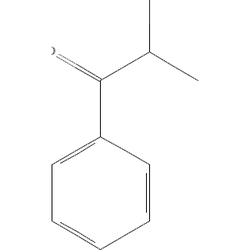
Methcathinone Stats & Data
CNC(C)C(=O)c1ccccc1LPLLVINFLBSFRP-UHFFFAOYSA-NPharmacology
DrugBankDescription
Methcathinone is under investigation in clinical trial NCT02617862 (PCI Imaging System in Pediatric Ophthalmology).
Receptor Profile
Receptor Actions
History & Culture
Methcathinone was first synthesized in the United States in 1928. The compound was subsequently patented by the pharmaceutical company Parke-Davis in 1957. During the 1930s and 1940s, the Soviet Union employed the substance therapeutically as an antidepressant, where it was known as ephedrone (Эфедрон in Russian). Over time, methcathinone became established as a recreational substance in the Soviet Union and later in Russia, where it developed a long history of non-medical use. International efforts to control methcathinone began in the mid-1990s when the United States government recommended to the United Nations Secretary-General that the substance be added to Schedule I of the Convention on Psychotropic Substances around 1994. Following this recommendation, China added methcathinone to its list of prohibited substances in 1995 and ceased any remaining pharmaceutical applications. The substance remains prevalent in central and eastern European regions, where it is sometimes misrepresented as the more widely recognized cathinone derivative mephedrone. It is also frequently synthesized clandestinely from over-the-counter medications containing ephedrine or pseudoephedrine.
Effect Profile
Curated + 13 ReportsModerate stimulation and euphoria with mild empathy and sensory enhancement
Strong focus with strong anxiety/jitters, moderate euphoria, mild stimulation
Tolerance & Pharmacokinetics
drugs.wikiTolerance Decay
Rapid tolerance is commonly reported with repeated use over days; rough decay to baseline over ~1–2 weeks is inferred from community reports and stimulant analogues. Data quality is limited and interindividual variability is high.
Cross-Tolerances
Experience Report Analysis
ErowidDemographics
Gender Distribution
Too few reports for a chart: gender is known from 17 reports, and a split is drawn only from 20 reports or more. Counts are shown instead. Why 20?
- Not Specified 2 of 17
- Male 14 of 17
- Female 1 of 17
Age Distribution
Reports Over Time
Effect Analysis
ErowidEffects aggregated from 13 experience reports (13 single-substance Erowid)
Effect Sentiment Distribution
Confidence Distribution
Each bar is the share of reports mentioning the effect; its whisker, and the band on the rows below, is the 95% interval: where the share could plausibly be with other reports of the same kind.
Too few reports for bars: these effects come from 13 single-substance Erowid reports, and a bar is drawn only from 20 reports or more. With fewer, a percentage cannot tell a common effect from a rare one. Counts are shown instead. Why 20?
Positive Effects 4
Adverse Effects 5
Show 1 neutral or unclassified mention
Also reported in combinations. In the 4 Methcathinone reports where another drug was taken too, 0 mention hospital, emergency services or an overdose, 1 a seizure and 0 psychosis (too few reports for percentages). In the 13 single-substance reports: 0, 2 and 3. These are not in the figures above: they cannot be put down to Methcathinone alone, and a mention is not always something that happened to the writer.
Real-World Dose Distribution
ErowidFrom 7 of 12 recorded dose entries: those that state a weight (mg, g or µg), in routes with at least five of them. Values above Q3 + 3×IQR, far above what people typically take, are left out; they can include real heavy doses and overdoses, not only mistakes.
Oral (n=7)
Form / Preparation
Most common forms and preparations, as a share of the 9 reports that give one
Too few reports for bars: these forms come from 9 reports, and a bar is drawn only from 20 reports or more. With fewer, a percentage cannot tell a common effect from a rare one. Counts are shown instead. Why 20?
- Powder / Crystals 7 of 9
Redose Patterns
Redosing behavior across 10 reports
Too few reports for a chart: redosing is known from 10 reports, and a split is drawn only from 20 reports or more. Counts are shown instead. Why 20?
- Single dose 8 of 10
- Redosed 2 of 10
Legal Status
| Country | Status | Notes |
|---|---|---|
| Australia | Schedule 9 | Classified as a Schedule 9 prohibited substance under the Poisons Standard. Schedule 9 substances are considered to have no therapeutic use and high potential for abuse, making possession, production, and distribution illegal without specific authorization. |
Harm Reduction
drugs.wikiInjecting or otherwise using methcathinone made with potassium permanganate (a common home synthesis) has been repeatedly linked to irreversible manganese-induced parkinsonism; avoid any preparation of uncertain origin and never inject — Mn-related damage does not improve after cessation. Early signs include gait disturbance, hypophonia, and falls; MRI classically shows T1 hyperintensity of the globus pallidus. Redosing pressure is high due to the short duration; spacing doses and setting a firm session cap reduces binge risk and sleep deprivation. Like other stimulants, methcathinone can acutely raise heart rate and blood pressure; those with cardiovascular disease, hypertension, or arrhythmia risk should avoid use and everyone should avoid strenuous exertion while under the influence. Combining with MAOIs is hazardous (hypertensive crises, hyperthermia) and should be strictly avoided; combining with tramadol or bupropion increases seizure risk. Mixing with alcohol increases dehydration and cardiostress while masking intoxication; with benzodiazepines, sedation can mask stimulant overuse and encourage redosing — treat as a caution-only combination reserved for managing severe agitation. Insufflation is irritating/caustic; use tiny test lines, rotate nostrils, rinse with saline after, and allow mucosa to recover between sessions. Use a precise milligram scale, lab‑verified material when possible, and consider reagent testing/drug checking to rule out substitutions or manganese contamination. Expect a comedown (anxiety, dysphoria, insomnia); nutrition, hydration, and planning sleep ahead of time reduce harm. Frequent use builds tolerance rapidly and can drive dose escalation; spacing sessions (≥1–2 weeks) reduces risk of dependency and persistent mood changes.
References
Data Sources
Cited References
- Bluedark: Methcathinone
- Consideration of the Cathinones - UK Advisory Council
- DrugBank: Methcathinone
- Erowid: Methcathinone FAQ
- Glennon et al. 1987 - Methcathinone: A New and Potent Amphetamine-like Agent
- Manganese Toxicity from Methcathinone - NEJM 2008
- TripSit: Drug Combinations
- Methcathinone FAQ (Erowid/Rhodium)
Additional references
- A Parkinsonian syndrome in methcathinone users and the role of manganese (NEJM, 2008) – indexed via NCBI MedGen
- Bluelight: Toxic effects of Mn impurity in methcathinone (thread summarizing NEJM findings)
- Bluelight: Manganese poisoning from ephedrone (MCAT)
- Erowid: International drug scheduling law document – methcathinone synonyms and classification
- TripSit: Drug combinations guide (MAOIs and other interactions)
- TripSit: Combination chart V3 announcement (context for chart and cautions)
- TripSit Wiki: Tramadol (serotonergic/SNRI properties, seizures; risky with stimulants)
- TripSit Wiki: Adderall (notes interactions incl. tramadol and bupropion; stimulant HR/BP risks)
- Bluelight: List of dangerous & potentially unsafe combinations (includes stimulants + beta‑blockers, MAOIs)
- DrugBank: Methcathinone DB15339 (PK/PD overview incl. short half‑life)
- Erowid Crew Blog: DrugsData testing notes (value of lab drug checking)