
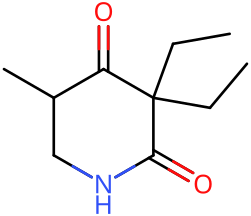
Methyprylon Stats & Data
SIDLZWOQUZRBRU-UHFFFAOYSA-NPharmacology
DrugBankDescription
Methyprylon is a sedative of the piperidinedione derivative family that was previously used for the treatment of insomnia. However, with the introduction of newer drugs with fewer side effects, such as benzodiazepines, the clinical use of methyprylon is now limited. Methyprylon was withdrawn from the U.S. market in June 1965 and the Canadian market in September 1990 due to adverse events.
Mechanism of Action
Methyprylon binds at a distinct binding site associated with a Cl- ionopore at the GABAA receptor, increasing the duration of time for which the Cl- ionopore is open. The post-synaptic inhibitory effect of GABA in the thalamus is, therefore, prolonged.
Pharmacodynamics
Methyprylon, a piperidinedione CNS depressant, is close to barbituric acid in structure, but different enough to be called a "non-barbiturate" sedative-hynotic. Methyprylon is used for insomnia and daytime tension. Methyprylon depresses the activity of muscle tissues, the heart, and the respiratory system.
Metabolism
Hepatic. Methyprylon is almost completely metabolized.
Indication
For the treatment of insomnia.
Methyprylon binds at a distinct binding site associated with a Cl<sup>-</sup> ionopore at the GABA<sub>A</sub> receptor, increasing the duration of time for which the Cl<sup>-</sup> ionopore is open. The post-synaptic inhibitory effect of GABA in the thalamus is, therefore, prolonged.
Carcinogenicity
No indication of carcinogenicity to humans (not listed by IARC).
Toxicity (DrugBank)
Symptoms of overdose include excitation and convulsions.
Health effects (PubChem excerpts)
They cause slurred speech, disorientation and "drunken" behavior. They are physically and psychologically addictive.
Tolerance & Pharmacokinetics
drugs.wikiNo tolerance chart. Our decay curves for these drugs were estimates, and a curve can make tolerance look longer-lasting than it is, which is the dangerous direction.
How fast tolerance to these drugs fades after a break has not been measured well enough to draw, so don't count on a dose you used to take still being safe: after time off, start with a much smaller amount and don't use alone. Mixing sedatives with each other, with alcohol or with opioids sharply raises the risk of a fatal overdose. If you've been using regularly, don't stop suddenly: withdrawal from benzodiazepines, alcohol or GHB/GBL can cause seizures or delirium, so get medical help to cut down gradually.
Sources: FRANK: benzodiazepines · Alcohol and Drug Foundation: GHB · FDA 2020: benzodiazepine boxed warning · FDA 2019: gabapentinoids and breathing · NHS: alcohol use disorder