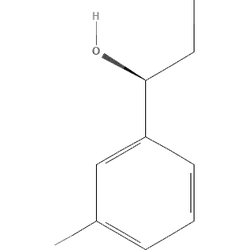
Phenylephrine Stats & Data
CNCC(O)c1cccc(O)c1SONNWYBIRXJNDC-VIFPVBQESA-NPharmacology
DrugBankDescription
Phenylephrine is an alpha-1 adrenergic receptor agonist used to treat hypotension, dilate the pupil, and induce local vasoconstriction. The action of phenylephrine, or neo-synephrine, was first described in literature in the 1930s. Phenylephrine was granted FDA approval in 1939.
Mechanism of Action
Phenylephrine is an alpha-1 adrenergic agonist that mediates vasoconstriction and mydriasis depending on the route and location of administration. Systemic exposure to phenylephrine also leads to agonism of alpha-1 adrenergic receptors, raising systolic and diastolic pressure as well as peripheral vascular resistance. Increased blood pressure stimulates the vagus nerve, causing reflex bradycardia.
Pharmacodynamics
Phenylephrine is an alpha-1 adrenergic agonist that raises blood pressure, dilates the pupils, and causes local vasoconstriction. Ophthalmic formulations of phenylephrine act for 3-8 hours while intravenous solutions have an effective half life of 5 minutes and an elimination half life of 2.5 hours. Patients taking ophthalmic formulations of phenylephrine should be counselled about the risk of arrhythmia, hypertension, and rebound miosis. Patients taking an intravenous formulation should be counselled regarding the risk of bradycardia, allergic reactions, extravasation causing necrosis or tissue sloughing, and the concomitant use of oxytocic drugs.
Metabolism
Phenylephrine is mainly metabolized by monoamine oxidase A, monoamine oxidase B, and SULT1A3. The major metabolite is the inactive meta-hydroxymandelic acid, followed by sulfate conjugates. Phenylephrine can also be metabolized to phenylephrine glucuronide.
Absorption
Phenylephrine is 38% orally bioavailable. Clinically significant systemic absorption of ophthalmic formulations is possible, especially at higher strengths and when the cornea is damaged.
Indication
Phenylephrine injections are indicated to treat hypotension caused by shock or anesthesia, an ophthalmic formulation is indicated to dilate pupils and induce vasoconstriction, an intranasal formulation is used to treat congestion, and a topical formulation is used to treat hemorrhoids. Off-label uses include situations that require local blood flow restriction such as the treatment of priapism.
Half-life
Intravenous phenylephrine has an effective half life of 5 minutes and an elimination half life of 2.5 hours.
Protein Binding
Data regarding the protein binding of phenylephrine in serum is not readily available.
Elimination
86% of a dose of phenylephrine is recovered in the urine with 16% as the unmetabolized drug, 57% as the inactive meta-hydroxymendelic acid, and 8% as inactive sulfate conjugates.
Volume of Distribution
The volume of distribution of phenylephrine is 340L.
Clearance
Phenylephrine has an average clearance of 2100mL/min.
Currently, there is no known antidote for IV phenylephrine. Hypertension resulting from excessive dosing or an exaggerated response is typically transient, primarily due to the short duration of action.
Toxicity (DrugBank)
Patients experiencing and overdose may present with headache, hypertension, reflex bradycardia, tingling limbs, cardiac arrhythmias, and a feeling of fullness in the head. Overdose may be treated by supportive care and discontinuing phenylephrine, chronotropic medications, and vasodilators. Subcutaneous phentolamine may be used to treat tissue extravasation.
Effect Profile
Curated + 4 ReportsStrong anxiety/jitters with moderate euphoria, focus, and stimulation
Tolerance & Pharmacokinetics
drugs.wikiTolerance Decay
Acute tolerance: develops within a single session — the reset numbers above apply after sustained heavy use, not after one binge. Within-session tachyphylaxis usually resets largely overnight.
Tolerance data primarily reflect intranasal, continuous daily use leading to rhinitis medicamentosa (tachyphylaxis/rebound). Onset of clinically relevant tolerance and rebound has been reported as early as ~3 days; symptoms generally improve within days to a few weeks after cessation with supportive care. Systemic tolerance patterns are less defined. Data quality is limited and variably generalizable.
Cross-Tolerances
Experience Report Analysis
ErowidDemographics
Gender Distribution
Age Distribution
Reports Over Time
Real-World Dose Distribution
62K DosesFrom 5 individual dose entries
Form / Preparation
Most common forms and preparations reported
Harm Reduction
drugs.wikiOral phenylephrine has poor and variable systemic availability (~38%) and modern evidence reviews conclude that monograph doses (10 mg) are no better than placebo for nasal decongestion; even higher immediate‑release doses up to 40 mg often fail to show benefit, so escalating the dose to ‘make it work’ mainly raises cardiovascular risk without improving congestion. Intranasal phenylephrine offers short‑term relief but continuous daily use beyond a few days can induce rhinitis medicamentosa (rebound congestion) with tolerance and worse blockage; reports describe onset as early as about 3 days and resolution after withdrawal within days to weeks. Intravenous phenylephrine should be used only in monitored medical settings; standard doses are in micrograms, not milligrams—mis-dosing can precipitate severe hypertension, reflex bradycardia, decreased cardiac output, and ischemic complications. Extravasation of IV phenylephrine can cause local tissue injury/necrosis; careful line selection and monitoring are required. Systemic exposure (especially IV) can trigger reflex vagal bradycardia; patients with compromised cardiac function may experience reduced cardiac output from increased afterload. Breastfeeding: oral/IV phenylephrine may reduce milk production; intranasal/ophthalmic exposure is less likely to impair lactation; prefer alternatives in newborn/preterm infants. Oral phenylephrine’s limited efficacy means non-drug options (saline rinses, humidification) or evidence‑based alternatives may be preferable; avoid combining with other sympathomimetics to ‘stack’ effects due to additive pressor risk. If using nasal formulations, adhere to the lowest effective concentration for the shortest time (generally a few days) to avoid rebound; consider steroid nasal sprays for persistent rhinitis under medical guidance.
References
Drugs.wiki References
- DrugBank: Phenylephrine (DB00388)
- DARE/NCBI Bookshelf: Efficacy and safety of oral phenylephrine (systematic review)
- StatPearls (NCBI Bookshelf): Phenylephrine (last updated Oct 30, 2023)
- LactMed (NCBI Bookshelf): Phenylephrine
- BMJ 1973 (PMC): Interactions between Sympathomimetic Amines and Antidepressant Agents in Man
- DrugBank article citing PK of oral decongestants (Kanfer et al., 1993)
- NCBI PubMed: Rhinitis medicamentosa reviews