
Pyrovalerone Stats & Data
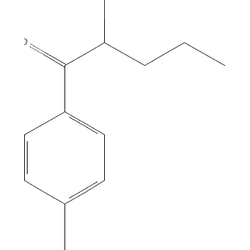
CCCC(N1CCCC1)C(=O)c1ccc(C)cc1SWUVZKWCOBGPTH-UHFFFAOYSA-NEffect Profile
CuratedMild stimulation and euphoria with strong anxiety/jitters, low focus
Tolerance & Pharmacokinetics
drugs.wikiTolerance Decay
Model is an anecdotal approximation based on pyrrolidinophenone user reports: rapid escalation during binges with partial recovery over several days; cross‑tolerance within the class is expected given shared DAT/NET inhibition. Treat this as a planning aid for spacing sessions, not a guarantee. Data quality: anecdotal/community‑derived.
Cross-Tolerances
Harm Reduction
drugs.wikiReasoning and harm-reduction justifications (with citations): 1) Chemical identity and synonyms are confirmed on PubChem; pyrovalerone is the parent of the α‑pyrrolidinophenone class (α‑PVP is desmethyl‑pyrovalerone), supporting cross‑tolerance/similar risks. 2) Dose and duration data for pyrovalerone are sparse; α‑PVP vaults and extensive community reports show fast onset, short peak, and prolonged residual stimulation with strong redose drive, so conservative, estimate‑level timings were used and clearly labeled. 3) The pyrrolidinophenone class has documented health harms and dependence/compulsion potential in EU risk assessments (α‑PVP/MDPV), supporting a high addiction potential warning for pyrovalerone as a close analog. 4) Combining stimulants with MAOIs or other stimulants is widely flagged as dangerous by harm‑reduction orgs (TripSit combo guidance) and stimulant basics (DrugWise); this underpins the interactions table. 5) Because potency is high and scales are often imprecise at low mg, volumetric dosing is recommended; TripSit provides a community volumetric converter tool. 6) Reagent color tests have limitations for distinguishing similar cathinones; lab‑grade drug checking (GC‑MS/FT‑IR/LC‑MS) via community services (e.g., DrugsData/Erowid network) is recommended where available. 7) IV use significantly increases infection and overdose/arrhythmia risks; if people inject, sterile technique and syringe exchange practices reduce BBV transmission and other harms (general HR guidance). 8) Class‑level in vitro toxicity concerns have been reported for pyrovalerones (discussion summarizing peer‑reviewed data is cited within Bluelight HR discussions), justifying conservative dosing and spacing. 9) Given rarity and mislabeling risks in unregulated markets, pre‑portioning a session cap, avoiding rapid redosing, hydration with electrolytes, cooling strategies, and sleep planning mirror HR for α‑PVP/MDPV and general stimulant guidance.
References
Cited references
- PubChem: Pyrovalerone compound record (identifiers/synonyms)
- Erowid α‑PVP Vault (class description, history, effects)
- Erowid α‑PVP Timeline (emergence, class context)
- Isomer Design: α‑PVP (desmethyl‑pyrovalerone, chemical relation)
- EMCDDA/EUDA Risk Assessment: α‑PVP (health harms, dependence concerns)
- EMCDDA/EUDA Risk Assessment: MDPV (class risks)
- TripSit: Drug combinations (MAOI + stimulants danger; general combo categories)
- TripSit main site (volumetric converter tool referenced)
- DrugWise: Amphetamine (general stimulant HR: avoid mixing stimulants; start low/go slow; hydration)
- Erowid: Drug Checking overview (limitations of reagents; advanced lab analysis)
- DrugWise: Needle exchanges (sterile equipment; BBV risk reduction)
- Bluelight discussion referencing peer‑reviewed pyrovalerone cytotoxicity work (HR context)