
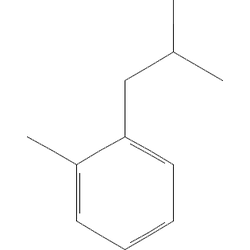
2-MA Stats & Data
CC(N)Cc1ccccc1CZEMQBDFHXOOXLY-UHFFFAOYSA-NReceptor Profile
Receptor Actions
Effect Profile
CuratedStrong euphoria with strong anxiety/jitters, mild stimulation and focus
Tolerance & Pharmacokinetics
drugs.wikiTolerance Decay
Tolerance to stimulant effects tends to build quickly with consecutive-day use and decays over 1–6 weeks with abstinence; estimates are based on stimulant-class patterns and user reports (anecdotal). Avoid back-to-back days to keep tolerance lower and reduce compulsive redosing risk.
Cross-Tolerances
Legal Status
| Country | Status | Notes |
|---|---|---|
| United States | a Schedule II Controlled Substance |
Harm Reduction
drugs.wiki- Potency appears lower than dextroamphetamine; limited user reports suggest roughly one-tenth by weight (anecdotal), so conservative dosing is essential to avoid accidental overuse.
- Cardiovascular strain (tachycardia, hypertension) and hyperthermia are established risks with amphetamine-class stimulants; avoid hot environments, take cooling breaks, and do not combine with other stimulants.
- MAOI combinations are hazardous and can precipitate hypertensive crisis; do not combine with prescription MAOIs or plant MAOIs (e.g., harmala/ayahuasca).
- Intranasal use can damage nasal tissues; if snorting, crush finely, use your own clean straw, rinse with saline, and give your nose breaks to reduce septal injury risk. Oral dosing is generally less locally harmful.
- Rectal dosing increases efficiency and can intensify effects; dissolve in a small volume of clean water, use lubrication, and avoid sharp applicators to reduce mucosal injury.
- Sleep disruption and residual stimulation are common; plan dosing to allow a full night’s sleep and avoid multi-day binges, which raise risks of paranoia and psychosis.
- Hydration: sip fluids regularly and do not overconsume water; aim for small, steady intake and include electrolytes during prolonged activity to avoid hyponatremia.
- Reagent testing can help verify stimulant presence: with Marquis, amphetamines typically show yellow–orange to brown reactions; use multiple reagents and consider lab drug checking where available.
- People with cardiovascular disease, hypertension, arrhythmias, or significant anxiety disorders should avoid use; these conditions increase the likelihood of adverse events with stimulants.
- Bruxism and jaw clenching are common; gum or a soft mouthguard can reduce dental strain.
- Because pharmacokinetics are uncharacterized in humans, avoid stacking doses; allow at least 4–6 hours between small test doses to assess duration and intensity before considering any redose.
References
Data Sources
Cited References
- Higgs & Glennon 1990 - Stimulus properties of ring-methyl amphetamine analogs
- PiHKAL - 2-Methylamphetamine (Ortetamine)
- PubChem: Compound 114930 - 2-Methylamphetamine
- TripSit: Drug Combinations Chart
- TripSit: Factsheet – 2-Methylamphetamine
- Bluelight: discussion of 2-MA potency (Post #2)
- Lauzon & Dennis 1975 – Ring-substituted amphetamines: stimulant activity in mice
Additional references
- PubChem – Ortetamine (2-methylamphetamine), CID 115808
- Isomer Design – 2-MeA entry (synonyms, identifiers)
- Erowid Amphetamines – Health (risks: cardiovascular, overheating, sleep loss)
- Erowid Amphetamines – Effects overview
- Erowid: Marquis test color chart excerpt (Winstock et al., 2001)
- Erowid MAOI Interactions – ‘Do not mix MAOIs with stimulants’
- Hi-Ground – Amphetamine (intranasal and plugging HR)
- Drugs-Forum – Ortetamine (2-methylamphetamine) experiences (anecdotal potency)