
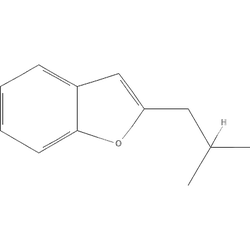
2-MAPB Stats & Data
CNC(C)Cc1cc2ccccc2o1ANJIDHKQUCZNQY-UHFFFAOYSA-NEffect Profile
CuratedModerate empathy, stimulation, and sensory enhancement with mild euphoria
Mild stimulation and euphoria with strong anxiety/jitters, low focus
Tolerance & Pharmacokinetics
drugs.wikiTolerance Decay
Extrapolated from MDMA/benzofuran user patterns: acute tolerance rises rapidly within a session and decays over weeks; spacing ≥4–6 weeks helps restore baseline response. Data quality is anecdotal; no controlled human tolerance studies for 2‑MAPB identified.
Cross-Tolerances
Harm Reduction
drugs.wikiReasoning for additions/changes (harm‑reduction justifications):
- Adulteration and mislabeling are common in unregulated markets; Erowid’s DrugsData program and European drug checking services consistently find unexpected contents. Therefore, always reagent‑test and, where possible, use a laboratory drug‑checking service before dosing.
- Overheating and over‑hydration are both established risks with serotonergic entactogens. Use cooling/rest breaks; sip fluids regularly but avoid excessive plain water. Prefer electrolyte‑containing drinks or salty snacks to prevent hyponatremia.
- Serotonergic polypharmacy meaningfully increases the chance of serotonin toxicity. Avoid combinations with MAOIs, SSRIs/SNRIs, tramadol, DXM, and similar agents. This is reflected in TripSit's interaction guidance and community safety lists.
- Reports with benzofurans (e.g., 5‑MAPB) frequently include jaw tension/bruxism, vasoconstriction, insomnia, and desire to redose; magnesium may reduce jaw clenching for some, but evidence is anecdotal—do not exceed daily limits. Keep doses modest and avoid stacking stimulants.
- Space sessions widely (commonly ≥4–6 weeks) to reduce mood dips and tolerance; frequent MDMA‑like use worsens after‑effects. This timing is an inference from MDMA harm‑reduction practice and reported hangovers.
- Insufflation is more likely to cause local irritation and sharp cardiovascular peaks; oral is generally safer/steadier for benzofurans per community experience.
- During long, hot, or high‑exertion settings (clubs/festivals), plan for cooling, electrolytes, and set dose limits in advance to avoid compulsive redosing.
References
Cited references
- PubChem – (2R)-1-(1-benzofuran-2-yl)-N-methylpropan-2-amine (stereoisomer of 2‑MAPB)
- Erowid – 5‑MAPB Vault (effects/side‑effects context for benzofurans)
- TripSit – MDMA page (hyperthermia/hyponatremia, after‑effects)
- TripSit – Drug Combination Chart/Guide (interaction logic)
- TripSit – Drug combinations wiki (citations and category-level interaction cautions)
- Erowid – MDMA Water Issues (dehydration vs over‑hydration; electrolytes)
- Bluelight – The Main 5‑MAPB Thread (v2) (community‑reported effects, cautions)
- TripSit – Compulsive redosing (general stimulant/entactogen risk)
- Erowid – Less Ecstasy, More Data: 15 Years of the EcstasyData Program
- Saferparty.ch – Drug checking and consumer services (availability of checking)