
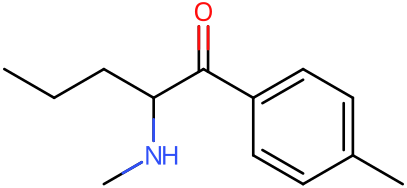
4-MPD Stats & Data
CCCC(NC)C(=O)c1ccc(C)cc1AKVKBEDACKJNPO-LBPRGKRZSA-NReceptor Profile
Receptor Actions
Effect Profile
CuratedModerate euphoria with strong anxiety/jitters, low stimulation
Tolerance & Pharmacokinetics
drugs.wikiTolerance Decay
Model is heuristic from stimulant user reports; tolerance rises quickly with consecutive redosing or multi‑day use, then decays over 1–2+ weeks. Cross‑tolerance within cathinones is likely; across classes is partial. Data quality is limited to forum/anecdotal sources.
Cross-Tolerances
Harm Reduction
drugs.wiki4‑MPD is the para‑methyl analogue of pentedrone and a higher homologue of mephedrone; like many synthetic cathinones, effects are short‑lived, encouraging redosing. Acute risks include tachycardia, hypertension, hyperthermia, anxiety, and peripheral vasoconstriction; these mirror the sympathomimetic toxicity profile seen with other stimulants. Monitor vitals; stop and cool if temperature rises or if resting HR >120 bpm or BP >140/90 while seated. Avoid polydrug use with MAOIs, serotonergic cough syrups (DXM), or seizure‑threshold‑lowering agents (e.g., bupropion, tramadol). Compulsive administration and binges are widely reported with short‑acting cathinones; set a pre‑commitment plan (total session limit, dose cap, no overnight use) and adhere to minimum 60–90 min redose gaps. Oral dosing is generally safer than vaping or insufflation; if snorting, crush finely, use your own sterile straw, and rinse nose before/after to reduce septal injury. Maintain hydration and electrolytes but avoid overhydration; sip ~250 mL/h when active in hot settings and take cooling breaks. Because supply is unregulated and mis‑selling is common, use professional drug‑checking where available; reagent tests are only preliminary. Avoid use if you have cardiovascular disease, uncontrolled hypertension, hyperthyroidism, or a history of stimulant‑induced psychosis; seek medical help for chest pain, severe headache, confusion, or persistent hyperthermia. Storage: keep dry, cool, and airtight; aqueous solutions of β‑keto compounds can degrade over time. Post‑use low mood, fatigue, and sleep disruption are common; allow multi‑day recovery, nutrition, and sleep; avoid chasing the comedown with depressants.
References
Data Sources
Cited References
- Analytical characterization of three cathinone derivatives, 4-MPD, 4F-PHP and bk-EPDP
- Bluelight: 4-methyl-pentedrone 1g/24 hours user report
- Fatal intoxication involving 4-methylpentedrone in a context of chemsex
- Forensic identification and pharmacology of 4-MPD
- PubChem: 137700730
- Structure-activity relationships of second-generation cathinones
- Fatal intoxication involving 4-methylpentedrone in a chemsex context
- Structure-activity relationships of second-generation cathinones
Additional references
- TripSit drug combination chart (stimulant interactions and MAOI warning)
- EUDA European Drug Report 2025 – Synthetic stimulants and cathinone harms (compulsive use, short duration)
- EUDA cathinones profile – health risks, short-lived effects, compulsive use
- EUDA PODS – Injection of synthetic cathinones (compulsive use, psychosis)
- Hi‑Ground cathinones harm‑reduction (safer snorting)
- TripSit update announcing v3.0 of combination chart
- StatPearls – Sympathomimetic toxicity overview (vital signs, cooling)
- StatPearls – Bupropion (lowers seizure threshold; interaction cautions)
- DrugChecking.community – why drug checking matters (service overview)