
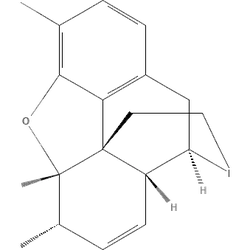
6-MAM Stats & Data
JJGYGPZNTOPXGV-SSTWWWIQSA-NToxicity
PsychonautWikiLike many other opioids, unadulterated heroin at appropriate dosages does not cause many long-term complications other than physical and psychological dependence and constipation. Outside of the extremely powerful addiction and physical dependence, the harmful or toxic aspects of opioid usage are exclusively associated with not taking the necessary precautions in regards to its administration, overdosing and using impure heroin products that contain harmful additives. Heavy dosages of heroin can result in severe respiratory depression which can result in dangerous or even fatal levels of anoxia (oxygen deprivation). This occurs because the breathing reflex is suppressed by agonism of µ-opioid receptors - this effect is proportional to the dosage of the substance consumed.
Addiction & dependence
As with other opioids, the chronic use of heroin can be considered extremely addictive with a high potential for abuse and is capable of causing psychological and physical dependence among certain users. When psychological or physical addiction has developed, mental and physical withdrawal symptoms and cravings may occur if a person suddenly stops their usage. Tolerance to many of the effects of heroin develops with prolonged and repeated use.
Effect Profile
CuratedStrong euphoria and pain relief with moderate itching/nausea and sedation
Tolerance & Pharmacokinetics
drugs.wikiNo tolerance chart. Our decay curves for opioids were estimates, and a curve can make tolerance look longer-lasting than it is, which is the dangerous direction.
Opioid tolerance drops fast when you stop, and even a few days off can be enough, so a dose that used to be normal can now stop your breathing. Overdose deaths rise sharply after prison, detox or leaving treatment, and tolerance also falls during a hospital stay. After any break, start with a much smaller amount, try a test dose first, don't use alone, and keep naloxone within reach. Alcohol, benzodiazepines, gabapentinoids and other sedatives make an opioid overdose much more likely.
Sources: FRANK: heroin · National Harm Reduction Coalition · WHO: opioid overdose · Merrall et al. 2010 · Binswanger et al. 2007 · Strang et al. 2003 · FDA 2019: gabapentinoids and breathing
Cross-Tolerances
Harm Reduction
drugs.wikiRarely sold in pure form; most user encounters arise from black-tar heroin or deliberate synthesis. Potency ≈30 % higher than heroin by weight. Extremely short plasma half-life produces a sharp rush but also a steep post-peak crash. Naloxone fully reverses effects. Ethanol slows 6-MAM → morphine conversion, compounding respiratory depression. Modern drug checking programmes repeatedly find high variability in heroin potency, occasional inclusion of other high-potency opioids, benzodiazepine-type drugs, and veterinary tranquilizers (e.g., xylazine); start with a very small dose, avoid polydrug use, and check samples where possible. Fentanyl/‘benzo-dope’/‘tranq-dope’ mixtures raise overdose risk and may require repeated naloxone while providing only partial benefit if non-opioids are present; continue rescue breaths and call emergency services immediately. Naloxone acts within minutes but typically lasts ~20–40 min—renarcotization can occur as morphine levels or other opioids outlast naloxone, so monitor continuously and re-dose if breathing slows. After any abstinence (detox, jail, illness), tolerance drops quickly and overdose risk is markedly higher on prior ‘usual’ doses—halve or more if returning to use, and ideally use with someone who can intervene. For injection: use sterile water, correct acidifiers only when needed (citric/ascorbic for base forms), and avoid vinegar/lemon to reduce infection risk; use clean equipment every time and seek local needle/syringe services for supplies and wound care. For smoking: use foil, test tiny amounts first, and avoid deep sedation alone. Fentanyl test strips can be useful where permitted, but follow instructions carefully—the method and dilution determine reliability.
References
Cited references
- PubChem: 6-Acetylmorphine (compound record and synonyms)
- Rook et al., 2006: Population pharmacokinetics of heroin and its major metabolites (heroin and 6-MAM t½; inhalation bioavailability)
- EMCDDA/EUDA drug profile: Heroin (background on heroin→6-MAM→morphine metabolism; rapid CNS entry; overdose context)
- EMCDDA/EUDA European Drug Report – Harm reduction 2024 (benzo-/tranq-dope mixtures; preparedness for potent synthetics)
- EMCDDA/EUDA European Drug Report 2025 – Heroin and other opioids (polysubstance use with opioids → overdose risk)
- EMCDDA/EUDA: Misuse of benzodiazepines among high-risk opioid users (respiratory depression risk in combinations)
- Saferparty (Zurich, Bern) drug-checking warnings – high potency heroin; presence of 6-MAM as minor component; mis-sold heroin
- Saferparty: Heroin sold as cocaine – mislabelled products increase overdose risk when insufflated
- Drug Checking Community: Toronto Drug Checking Service periodic reports (multiple high-potency opioids, benzos, and xylazine in opioid supply)
- DrugWise: Naloxone (onset minutes; duration ~20–40 min; need to re-dose and call EMS)
- DrugWise: Overdose – what to do (recognition and response)
- DrugWise: Harm reduction for drug users (safer injecting supplies, needle exchange, and BBV testing)
- DrugWise: Heroin and other opiates (post-detox loss of tolerance → overdose risk)
- DrugWise: Xylazine (sedation not reversed by naloxone; ulceration risk if injected)
- TripSit: Test Kits (importance of correct fentanyl test strip usage)
- DrugBank review: Buprenorphine can block opioids or precipitate withdrawal in dependent users
- Bluelight thread: Pure 6-MAM experiences (rare availability; user risk discussion)