
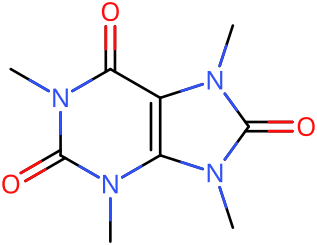
Theacrine Stats & Data
Temurin
Temorine
PubChem
MW224.22
FormulaC9H12N4O3
LogP-0.2
IUPAC1,3,7,9-tetramethylpurine-2,6,8-trione
InChIKey
QGDOQULISIQFHQ-UHFFFAOYSA-N
Chemical Class
Methyluric acid
Psychoactive Class
Stimulant
Receptor Profile
Receptor Actions
Antagonists
Adenosine receptor antagonist (competitive inhibitor)
Other
affects dopamine, acetylcholine, and serotonin receptors
at high doses affects norepinephrine receptors
to a lesser extent affects epinephrine, glutamate, and cortisol
Toxicity
PsychonautWikiTheacrine is not known to cause brain damage, and has an extremely low toxicity relative to dose. There are relatively few physical side effects associated with theacrine exposure. Various studies have shown that in reasonable doses in a careful context, it presents no negative cognitive, psychiatric or toxic physical consequences of any sort. It is strongly recommended that one use harm reduction practices when using this drug.
Effect Profile
Curated
Stimulant
6.4
Strong focus with strong anxiety/jitters, moderate euphoria, mild stimulation
Stimulation / Energy×3
5
Euphoria / Mood Lift×2
7
Focus / Productivity×2
10
Anxiety / Jitters×1
8
Based on reports from:
Tolerance & Pharmacokinetics
drugs.wikiTolerance Decay
Full tolerance
1d
Half tolerance
10d
Baseline
~18d
References
Data Sources
Cited References
- Feduccia et al. (2012): Locomotor activation by theacrine, a purine alkaloid structurally similar to caffeine
- He et al. (2017): Assessment of Drug-Drug Interaction Potential Between Theacrine and Caffeine
- Kuhman et al. (2015): Cognitive Performance and Mood Following Ingestion of a Theacrine-Containing Dietary Supplement
- PsychonautWiki: Theacrine
- RxList: Theacrine Health Benefits and Side Effects
- Scientific Reports (2024): Dose Response Effects of Theacrine on Cognitive Performance and Sleep
- SelfDecode: 3 Potential Benefits of Theacrine
- Wang et al. (2010): Theacrine, a purine alkaloid with anti-inflammatory and analgesic activities
- WebMD: Theacrine Overview
- Nootropics Depot: TeaCrine Guide